



They have presided over out of court settlements for sexual and gender-based violence, allowing perpetrators to walk free, and leaving victims exposed and unheard.
The consequences of this silence have been severe. In Kenya, unsafe abortion remains one of the leading causes of preventable maternal illness and death. According to the Kenya Obstetrical and Gynecological Society, at least 2,600 women die every year from unsafe abortions while more than 21,000 are hospitalized annually due to complications. Teenage pregnancy, stigma, and limited access to accurate information continue to push girls and women into secrecy and danger, often with little protection from systems meant to safeguard them.
In parts of Kakamega County, however, this long – held narrative is beginning to shift. Some assistant chiefs are deliberately re-shaping their role, moving away from silence and informal settlements, and choosing dialogue, accountability, and prevention.
Working alongside teachers, faith leaders and community organisations, they are confronting unsafe abortion practices, teenage pregnancy, and sexual violence, and placing protection of vulnerable girls at the centre of community leadership.
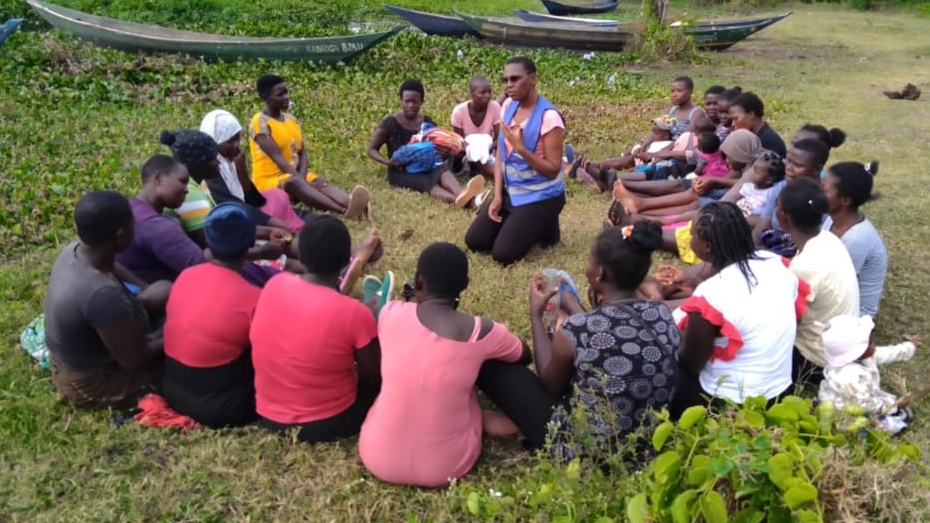
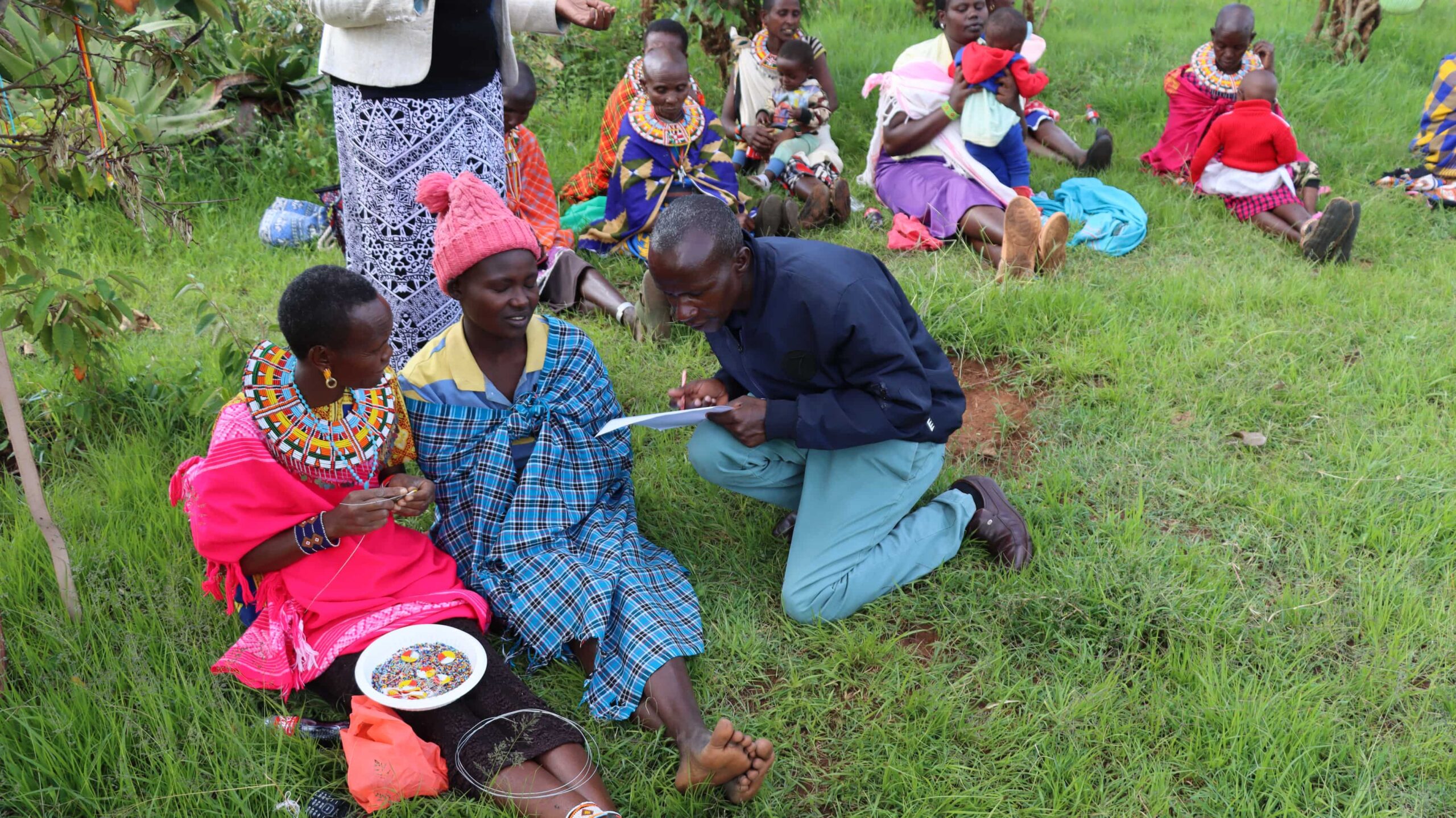
In Emuhuni sub – location, Assistant Chief Anthony Sifuna has become part of this shift. Community barazas, once associated with fear or compromise, are now spaces for open, non-judgmental discussion on sexual and reproductive health and rights. Young people and the elders engage openly on the dangers of unsafe abortion, early pregnancy, and sexual violence, while harmful myths surrounding contraception and abortion are challenged.
“We are slowly winning the war against unsafe abortions. The attitudes of young people and their parents are changing,” he says.
Sifuna acknowledges that unsafe abortion has claimed many lives in the wider Nambacha location, where his sublocation falls, even if many cases go undocumented. “Several lives have been lost,” he notes, underscoring how hidden the crisis remains.
He describes the shift towards dialogue as a turning point which has helped communities reject unsafe practices and enabled authorities to intervene more effectively.
Through strengthened community engagement and partnerships, authorities have been able to identify and disrupt unsafe abortion networks.
“We managed to arrest some three individuals involved in procuring unsafe abortions,” Sifuna explains. “One fled and never returned, the other two after being released, stopped conducting unsafe abortions,” he says.
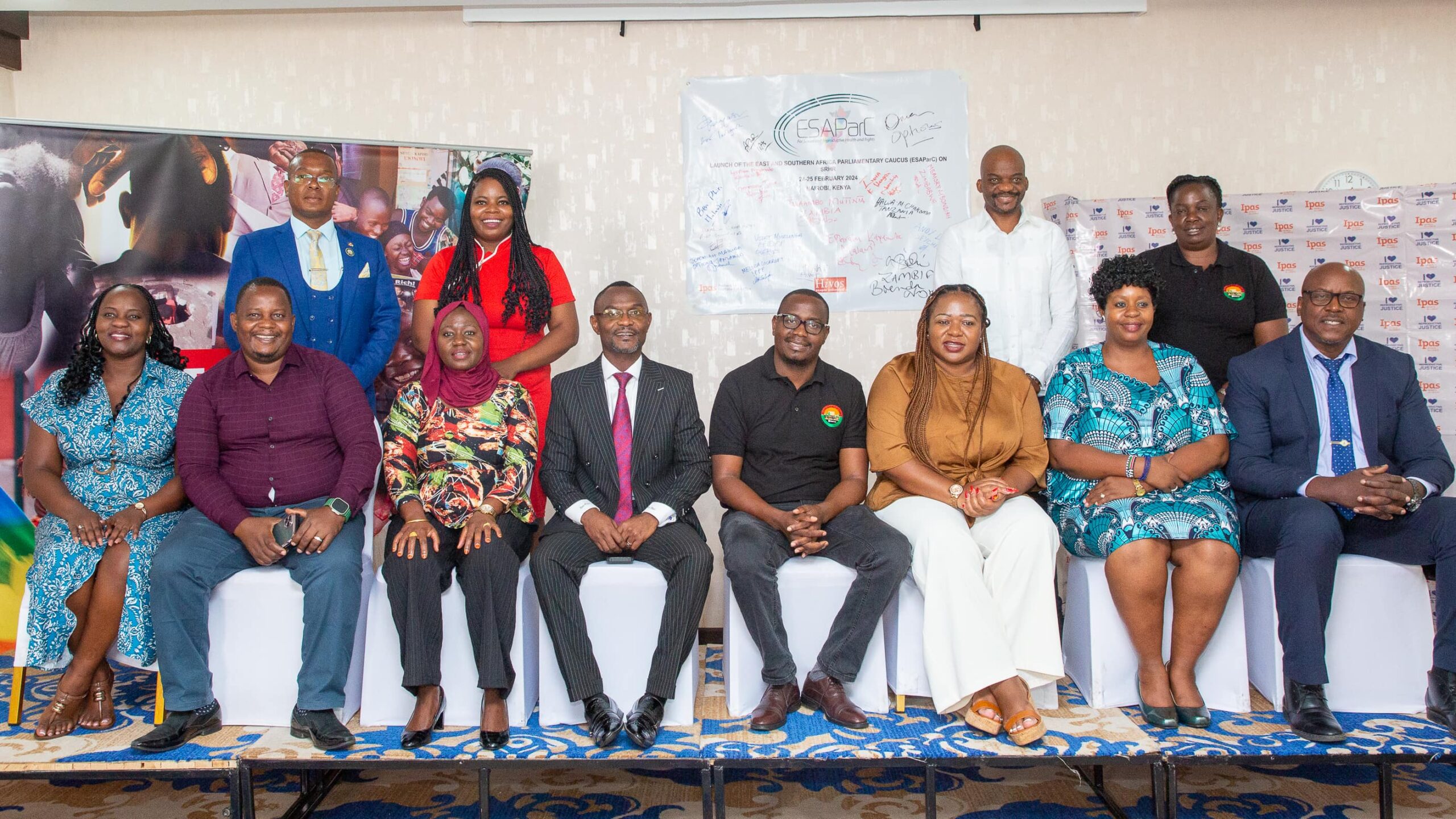
He attributes this success to partnerships, and the training support from Ipas Africa Alliance, which sharpened their response and deepened their understanding of both prevention and protection.
“We realized the scale of the problem and knew we could not address it alone. Partnering with organisations like Ipas Africa Alliance has helped us respond differently, and it has worked.”
Despite the progress made, challenges persist. Risky social spaces such as disco matangas (discos at funerals) continue to expose girls to harm, and stigma still drives women into secrecy. Sifuna recounts a recent case where a married woman died following a botched abortion, indicating that unsafe abortion cuts across age and marital status.
Sifuna is not alone in this fight. in the neighboring Mukweso sub-location, Assistant Chief Denis Makokha is confronting a similarly complex reality, compounded by incest and deep-rooted stigma. He recalls handling a case where a father impregnated a daughter and arranged an unsafe abortion.
Both the perpetrator and the abortion provider were arrested. Legal action sends a strong deterrent message,” he says, “but prevention through sustained awareness is critical.”
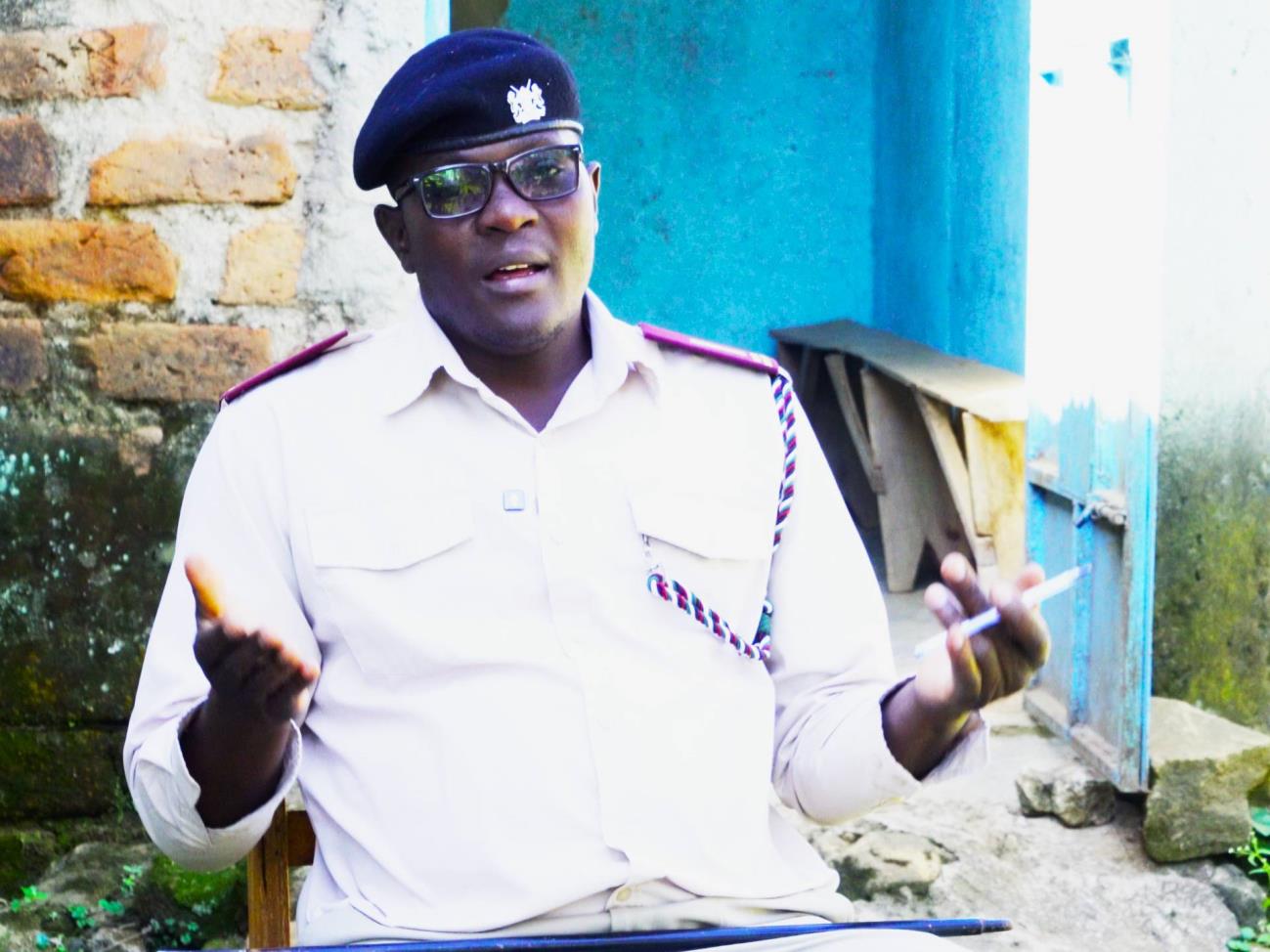
“Domestic violence and family separation leave many children in the care of elderly grandparents who cannot always protect them,” she says. “As a result, some engage in risky behaviour.”
At Friends School Sidikho Primary, senior teacher Gilbert Makokha says collaboration with Ipas Africa Alliance and Bumulusi CBO has helped address high rates of teenage pregnancy and unsafe abortion through teacher training and sustained engagement. “Learners share the knowledge they gain with their parents,” he says. “We also work closely with boys, helping them understand the consequences of early sexual activity.”
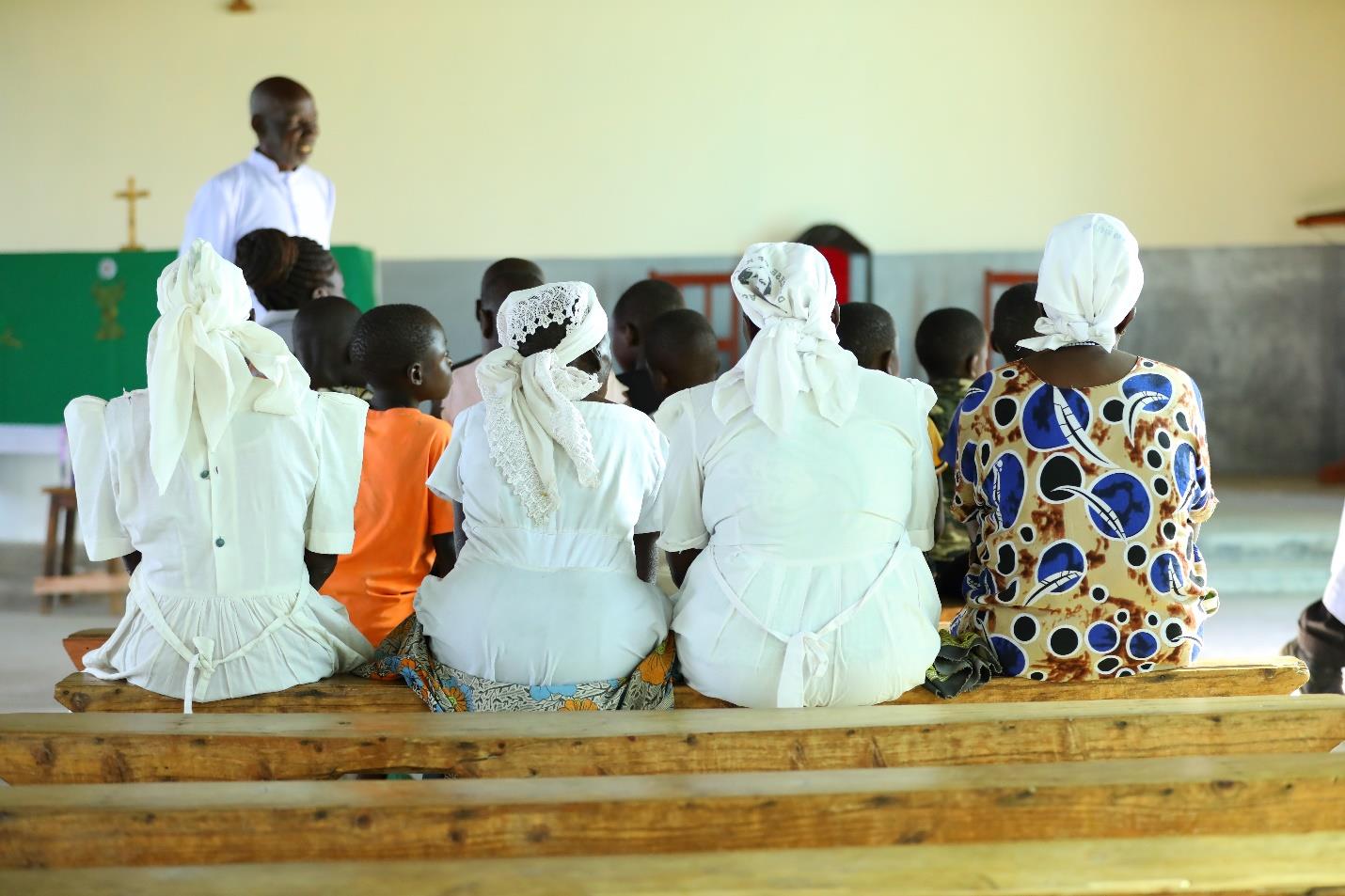
Faith leaders are reinforcing these efforts in their spaces. Reverend Dickson Wepo of Church of God acknowledges parental neglect as a contributing factor and emphasizes the role of the church in providing guidance, protection and support.
Together, these approaches are slowly dismantling long-standing silence. Survivors of unsafe abortion and sexual violence are finding social support instead of stigma. Girls are being listened to earlier. Communities are also learning that protection is the true measure of leadership.