




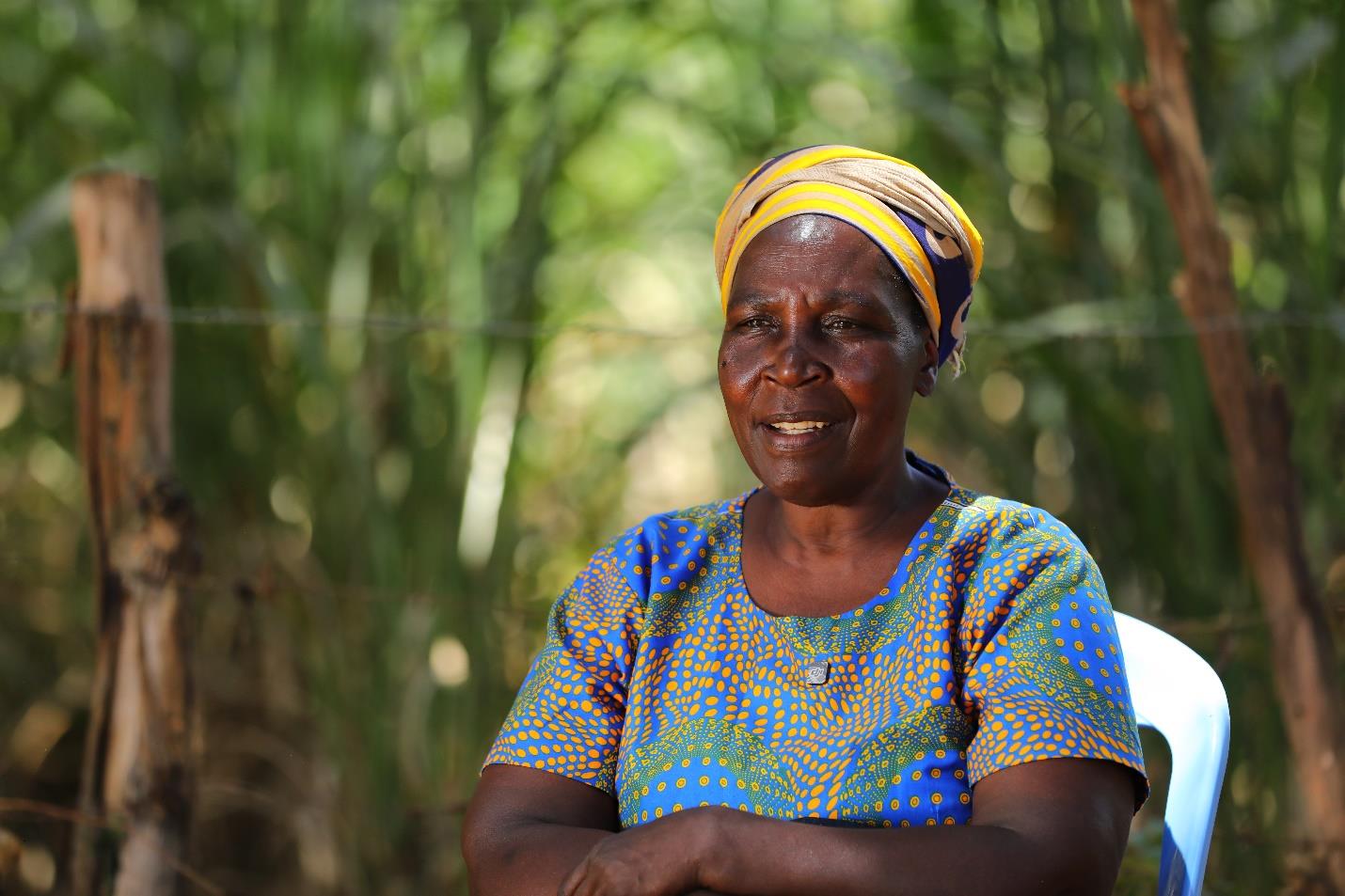
Hanifa Wechuli from Navakholo village in Kakamega County has seen the realities of unsafe abortion. These realities mirror a wider crisis affecting women and girls across Kenya.
A Ministry of Health study conducted in 2025 finds induced abortion as most common in the country, with significant regional variations. In 2023 alone, an estimated 792,694 induced abortions occurred in Kenya, equivalent to 57 abortions per 1,000 women of reproductive age. More than half of all unintended pregnancies ended in induced abortions, many of them unsafe and disproportionately affecting teenagers and young women in rural communities.
For several years, Wechuli was a trusted traditional birth attendant in her community.
At a time when access to health facilities was a nightmare to a number of families in Kakamega, she stepped in where the health system could not. Using her skills, she helped expectant mothers deliver their babies, earning respect within the village. Everyone called her ‘doctor.’ Her word was trusted.
But this is just one side of her story. Wechuli’s work went beyond the ordinary roles played by traditional birth attendants in the remote villages.
Discreetly, she referred teenagers and young women who wanted to terminate pregnancies to a lady who specialized in that as she learned the craft. Some in the community viewed her as a quack doctor, others believed she was their savior, regardless of the risks involved.
“I had no fixed charge. I would take anything I was offered, including a packet of sugar, a hen, or flour,” she explains. Among herbalists and traditional birth attendants, charging a fixed fee is believed to limit the strength of their medicine.
Today, however, Wechuli is no longer the same woman who helped carry out unsafe abortions. She has become one of the community’s advocates against the practice.
With the change, she has embraced a new identity. She is now referred to as a birth companion, and not a traditional birth attendant.
“I am nowadays helping refer those seeking abortion to seek expert services in health facilities,” she says.
In the past two years, she has referred more than 200 girls to health facilities, which she believes has saved many lives.
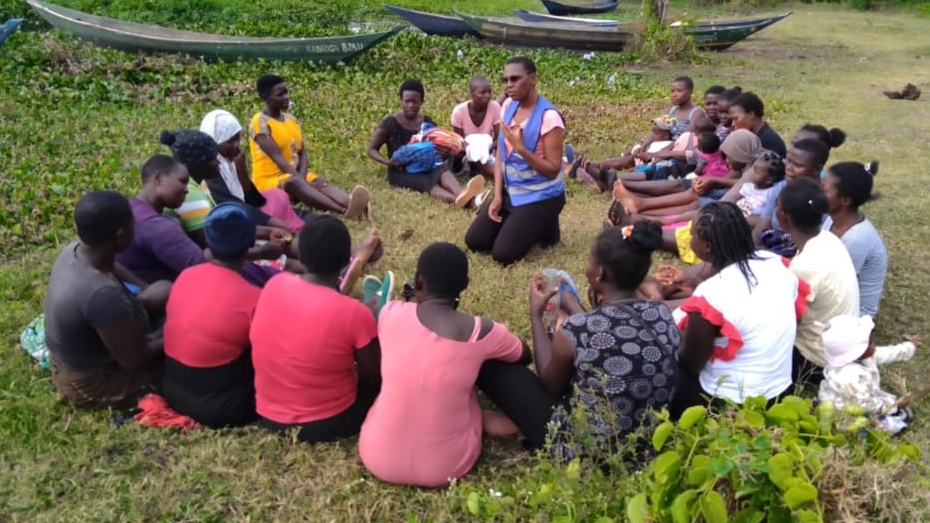
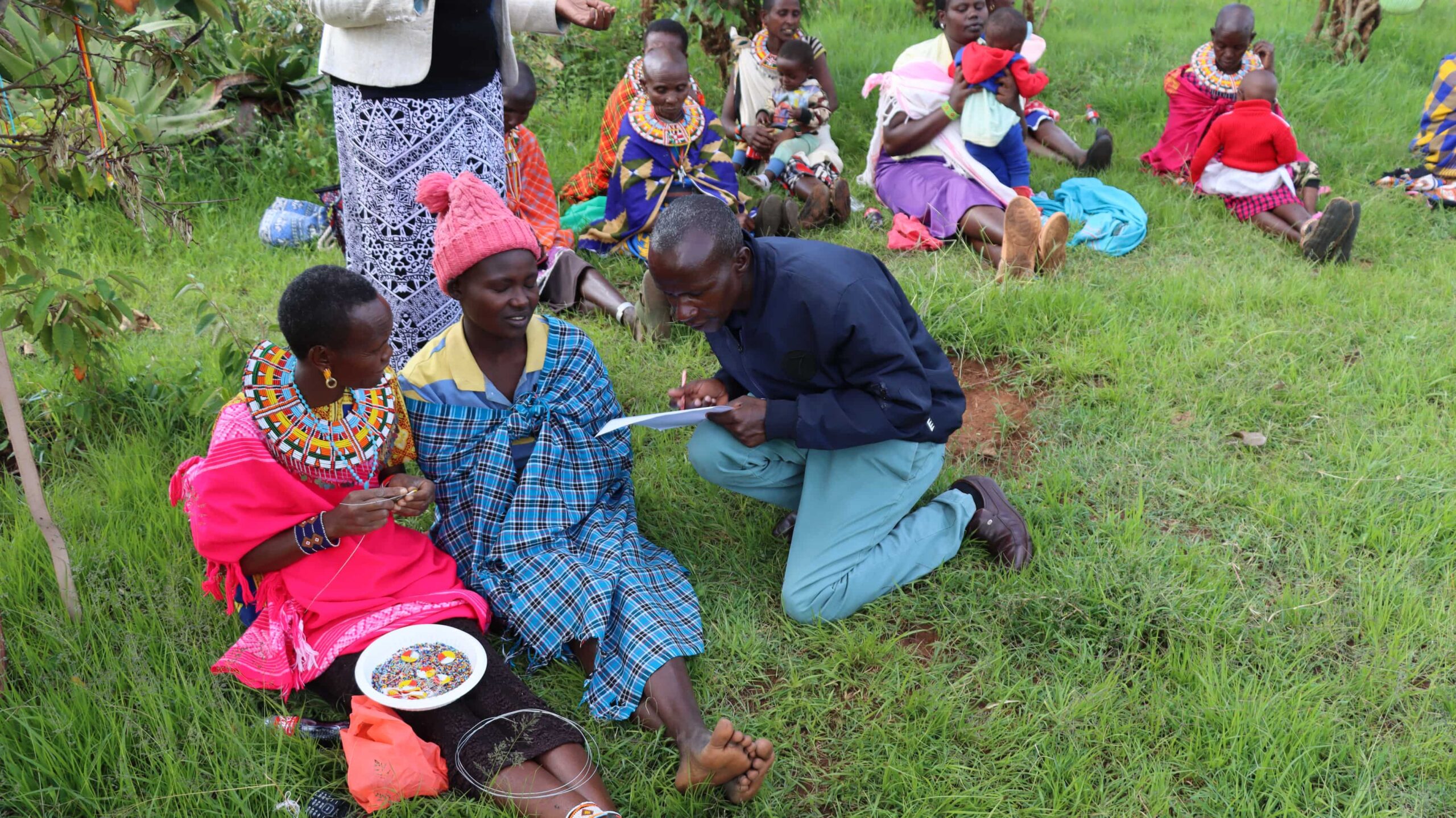
The change began when a group of women from Bumulusi Community Based Organisation approached her and advised her against aiding abortion. They introduced her to forums facilitated by Ipas Africa Alliance, where discussions openly addressed the risks and consequences of unsafe abortion.
“Some of the dangers had flickered before my eyes as I conducted the exercise, but I did not fully comprehend how bad it was,” she says.
“I went to the meeting, and I was taught a lot of things regarding unsafe abortions and their dangers, “she adds.
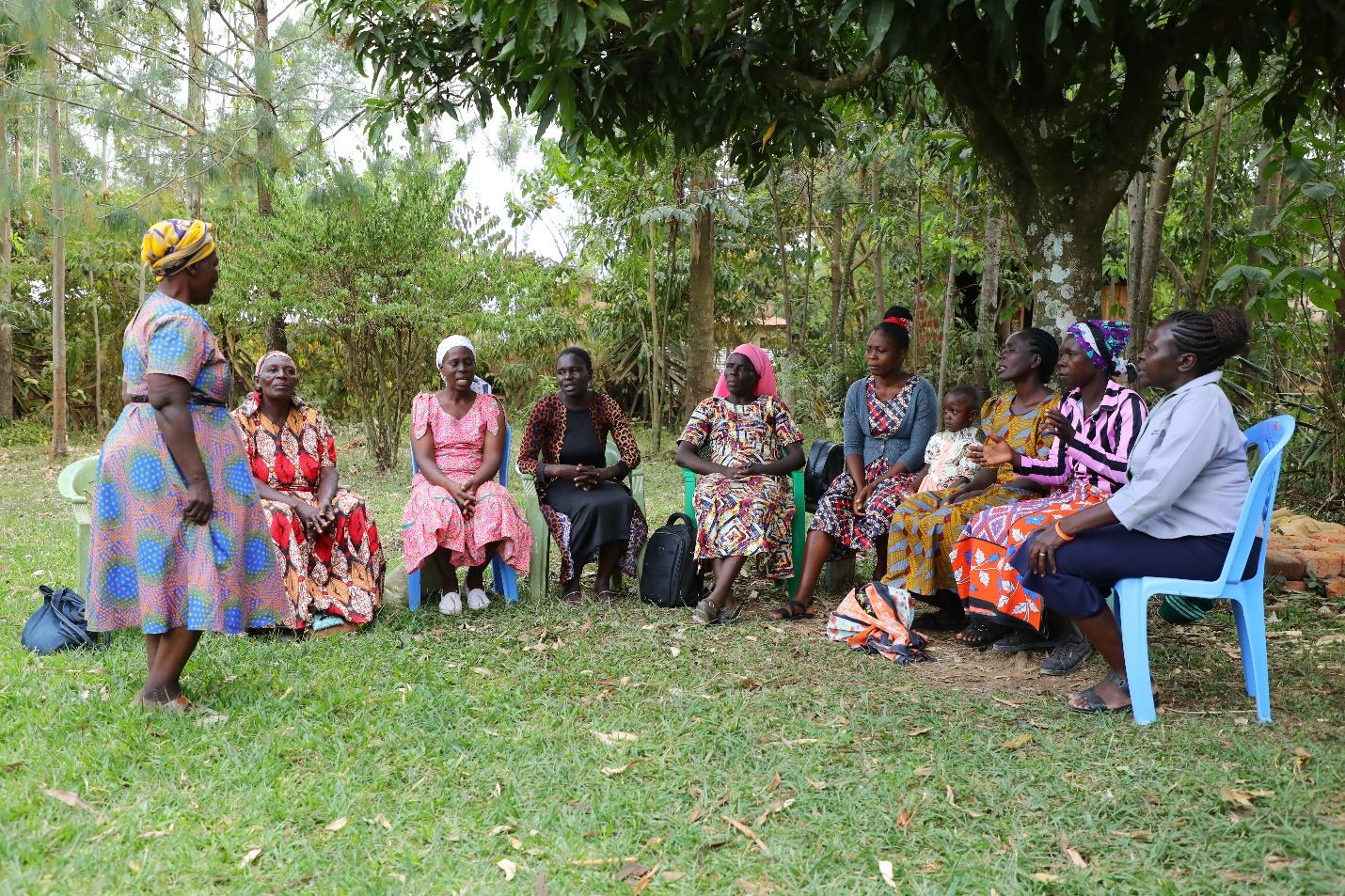
Armed with new knowledge, Wechuli began sharing information within her community. She advised women and girls seeking unsafe abortions to opt for safer services at health facilities and warned them about the risks involved.
“I would also enlighten them on the dangers of unsafe abortion, which include possible death to the mother,” She says.
Gradually, her role evolved, earning her the name “birth companion”, supporting women and teenagers to seek safer skilled care. She also began offering guidance and counseling, sometimes mediating between girls and their parents. Through counselling many women have carried their pregnancies to term, received skilled delivery, and introduced to family planning options.
The 2025 Ministry of Health Report, “Incidence of Induced Abortions and the Severity of Abortion-related Complications in Kenya” calls for stronger advocacy on Sexual and Reproductive Health Rights to help reduce unsafe abortion practices.
For Wechuli, the solution begins with conversation and trust.
“Messaging is key,” she says. “More people are now embracing safer methods, while others are even changing their minds and keeping their pregnancies.”
In communities like Navakholo, change is beginning to happen, driven not only by policies and programmes, but by individuals willing to confront their past and choose a different path forward.