



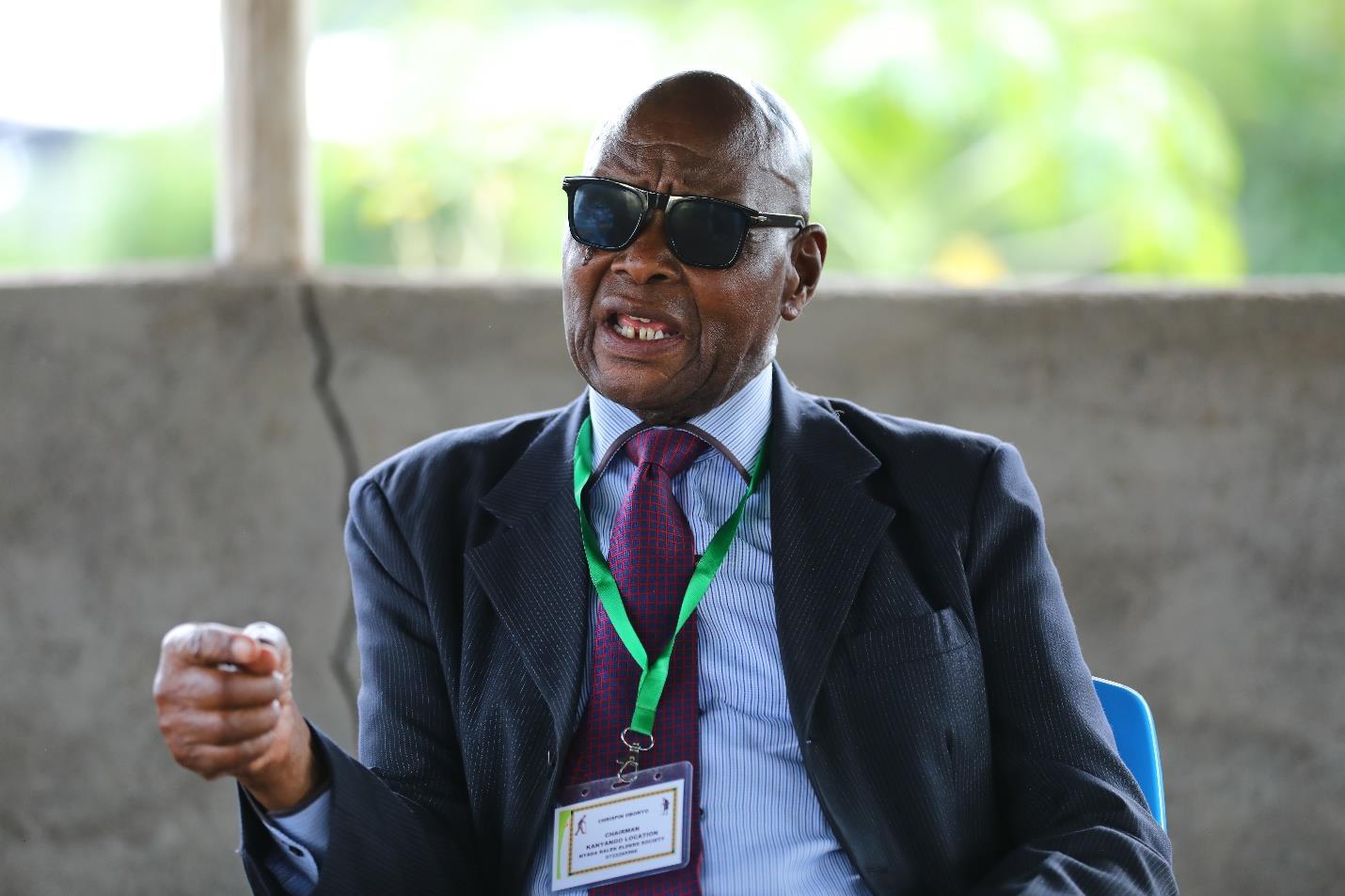
The Elders of Nyada Ralek, a social network of the Council of Elders in Homa Bay have watched generations come of age, and seen the good, the bad, and the ugly of society. They have seen community thrive and celebrate, and in bad times, witnessed lives lost including to unsafe abortions, families torn apart by sexual and gender-based violence, and in recent times, social bonds weakened, leaving young people more vulnerable than ever. They have taken note and are raising a voice of concern and counsel.
In Homa Bay County, teenage pregnancy, sexual and gender-based violence, and unsafe abortion practices remain deeply rooted challenges. According to the latest Kenya Demographic and Health Survey, teenage pregnancy in the county stands at 23.2 percent, far above the national average of 14.8 percent. Although may be grossly underreported, the figures represent stories of interrupted education, health complications, stigma, and in some cases, loss of life.
The Elders of Nyada Ralek, have seen it all. They have buried daughters and granddaughters, mediated broken marriages, and watched young girls suffer in silence. Rather than retreat into old age, they have chosen to act.
Nyada Ralek brings over 200 elders across Homabay Town Constituency. Far from being passive custodians of tradition, the elders have positioned themselves as advocates for Sexual Reproductive Health Rights (SRHR) using dialogue, cultural authority, mentorship and challenging traditional norms and promoting equitable access to contraceptives and safe abortion care.
Silence is Stigma
For years, conversations about sex, contraception, and abortion were taboo in many homes and public spaces. Young people navigated relationships with little information, while parents and elders avoided discussions they considered inappropriate. When girls became pregnant, they were often blamed, shamed, or pushed into unsafe abortions to “save face.”
Unsafe abortion remains a silent crisis. While rarely discussed openly, health workers and community organizations confirm that many young women still resort to unqualified providers, risking severe complications, infertility, or death. Gender-based violence (GBV), particularly among young couples, continues to compound these risks.
The elders acknowledge that, in the past, some cultural practices and beliefs unintentionally reinforced harm. “We have seen how silence destroys lives,” says Chrispin Obonyo, an 83-year-old elder and Nyada Ralek, Chairperson for Kanyada Location. “That is why we decided we must speak.”
Dialogue as a Tool for Change
The Nyada Ralek elders received training on sexual and reproductive health from local civil society organizations. The training challenged long-held assumptions and equipped elders with accurate information on contraception, GBV prevention, and safe abortion care within the law.
Armed with knowledge, the elders embraced a new role as SRHR ambassadors.
“As elders, our duty is guidance,” Obonyo explains. “We mentor young people, resolve conflicts, and protect life.”
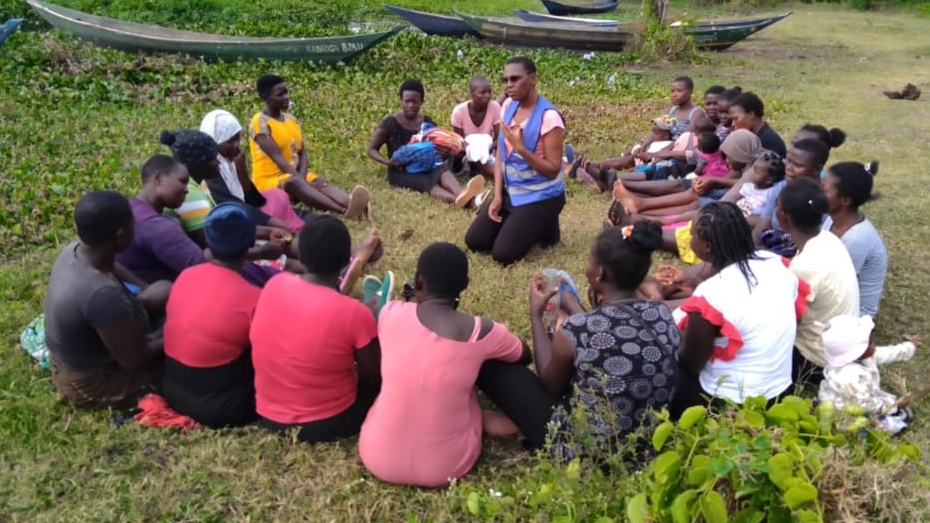
Through church gatherings, chief’s barazas, and village dialogues, the elders speak directly to teenagers, parents, and couples. They encourage parents to talk openly with their children about sex and relationships, warn against early sexual activity, and promote contraceptive use to prevent unwanted pregnancies.
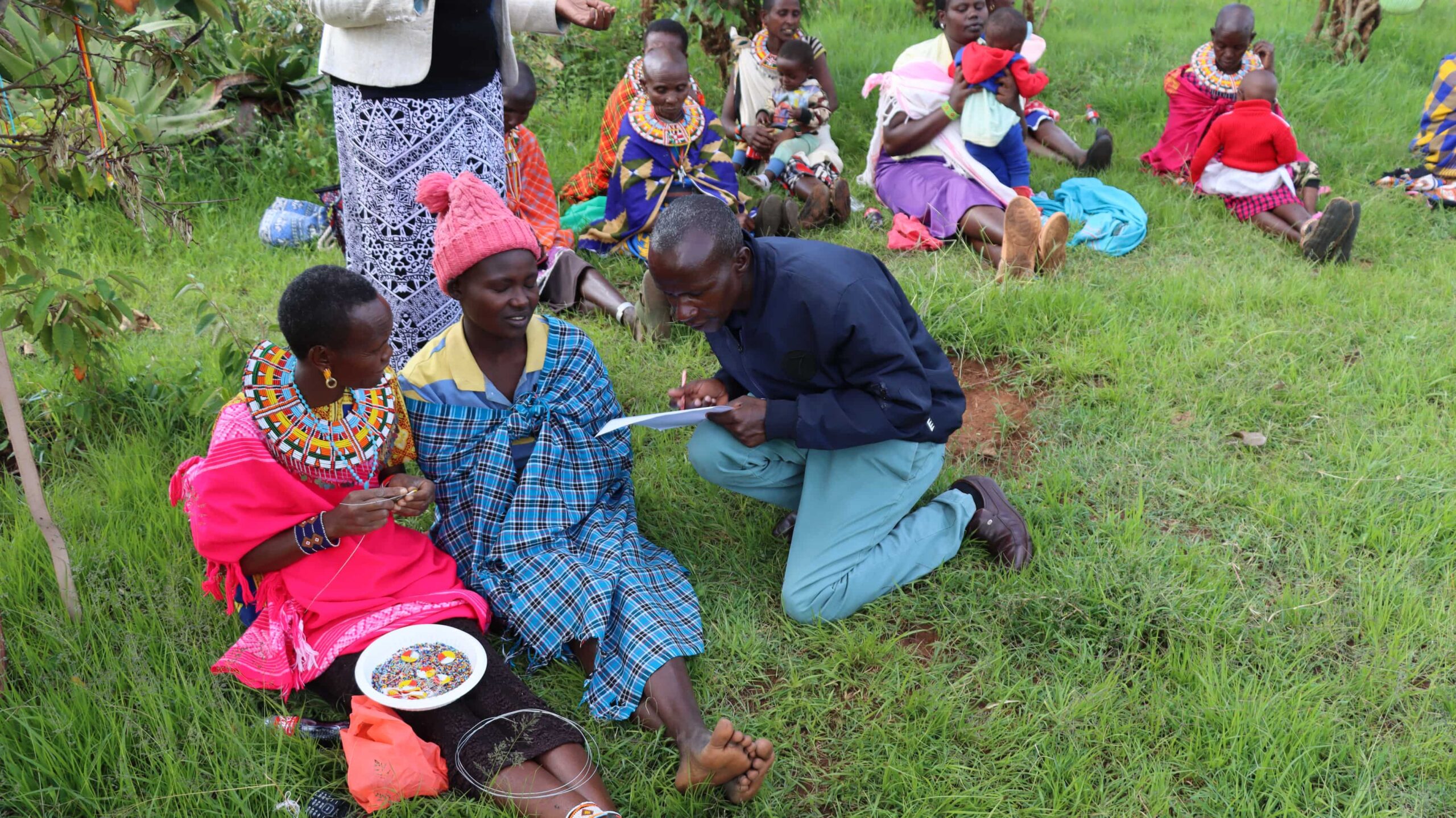
They also intervene in GBV cases, mediating disputes between couples and referring severe cases to authorities or health facilities. In situations involving pregnant teenagers, elders work to discourage unsafe abortions, guiding families toward counselling and appropriate medical care.
At Otaro village in East Kanyada, 82-year-old elder Risper Oreje leads regular youth dialogues. “We tell them the truth,” she says. “Unsafe abortion destroys futures. Knowledge protects.”
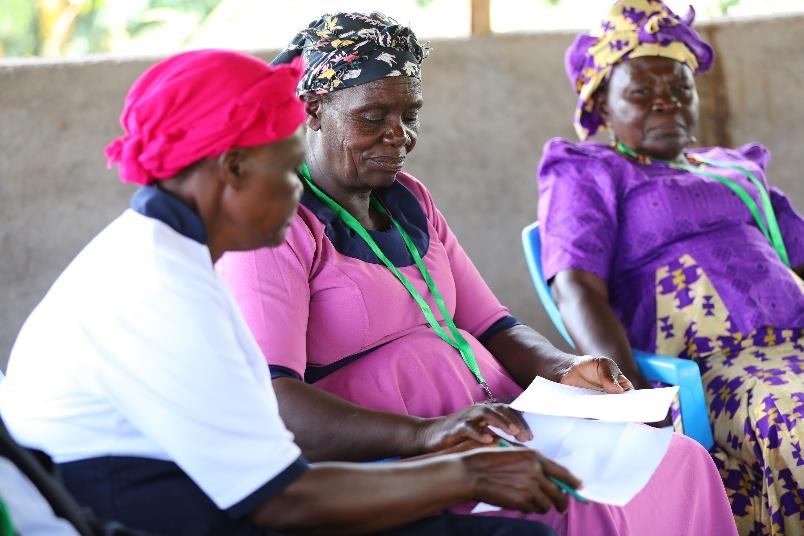
Member of Nyada Ralek Council of Elders
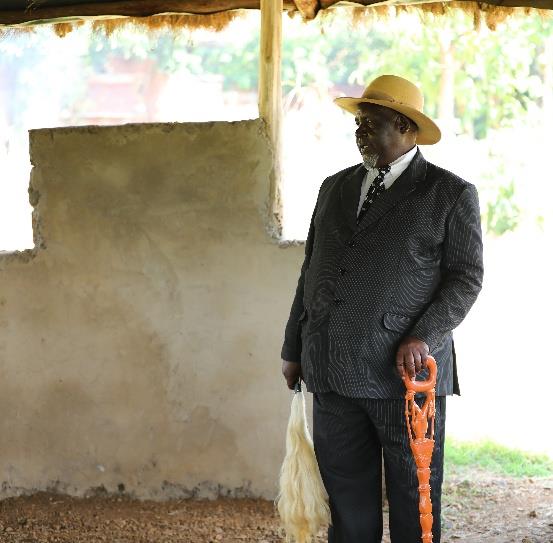
Similarly, John Misiani, also 82, uses church forums and public meetings to reach young mothers and adolescents. “When elders speak, people listen,” he notes. “That trust saves lives.”
Partnerships that Strengthen Impact
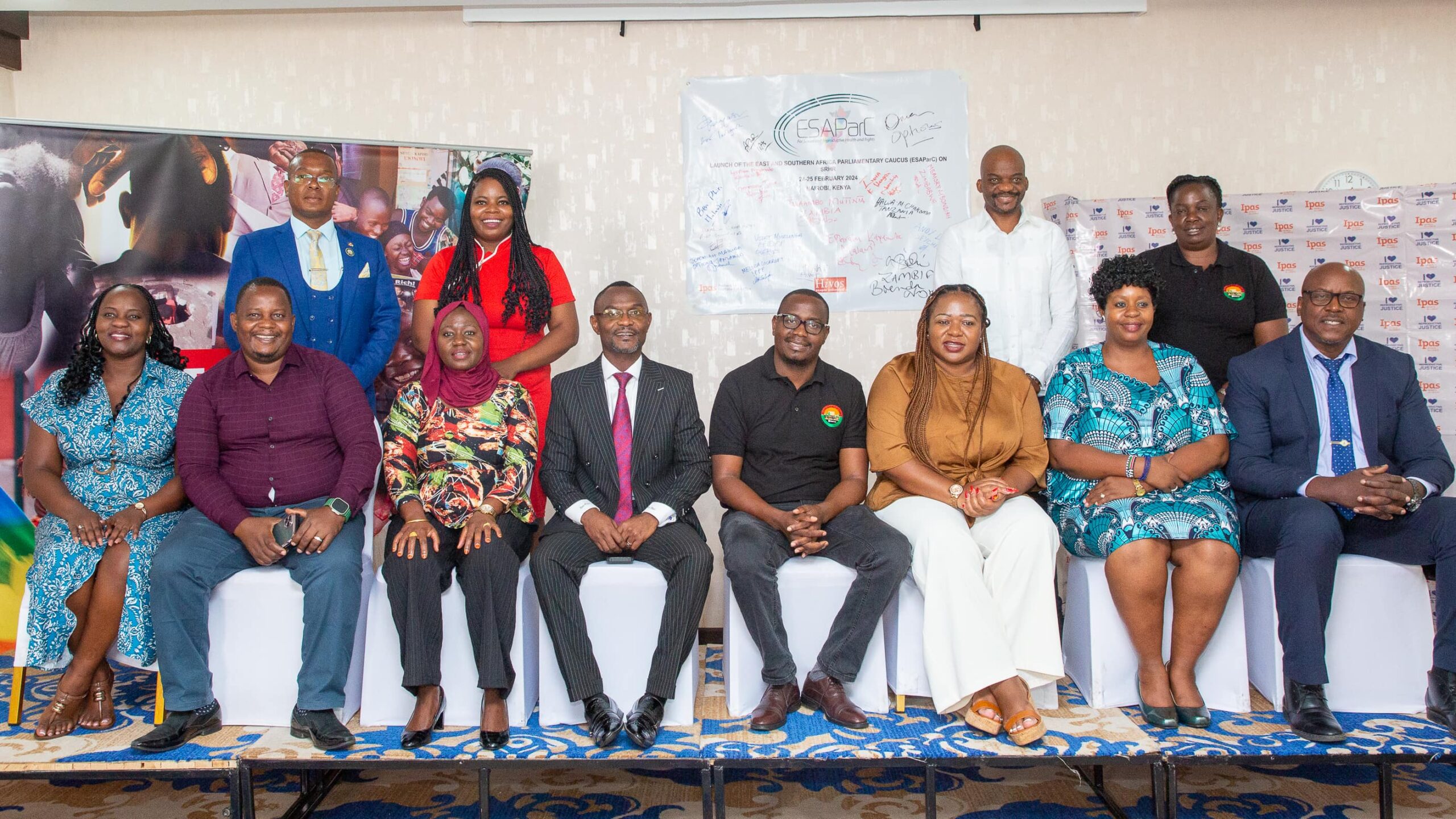
Nyada Ralek’s efforts are reinforced by collaboration with organisations such as the Reproductive Health Initiative (RHI).
According to Dinna Odoyo, who works with Reproductive Health Initiative (RHI) Community Based Organisation, as the project manager, empowering young people with information on sexual and reproductive health rights is critical for protecting them. Additionally, working with elders has been critical.
“We work closely with the elders because they are trusted so much in the community, and so they are able to pass the information and reduce risky sexual behaviors, ” she says. “When they speak about reproductive health using cultural values, the message is accepted.”
The RHI trains elders as SRHR champions and supports community education on contraception, GBV prevention, and safe abortion care. They also work closely with churches, spaces often assumed to be safe, yet not immune to teenage pregnancy and stigma.
“Some church doctrines end up punishing girls,” Odoyo explains. “Pregnant girls are removed from choirs or shamed publicly. We are training religious leaders to protect lives, not condemn them.”
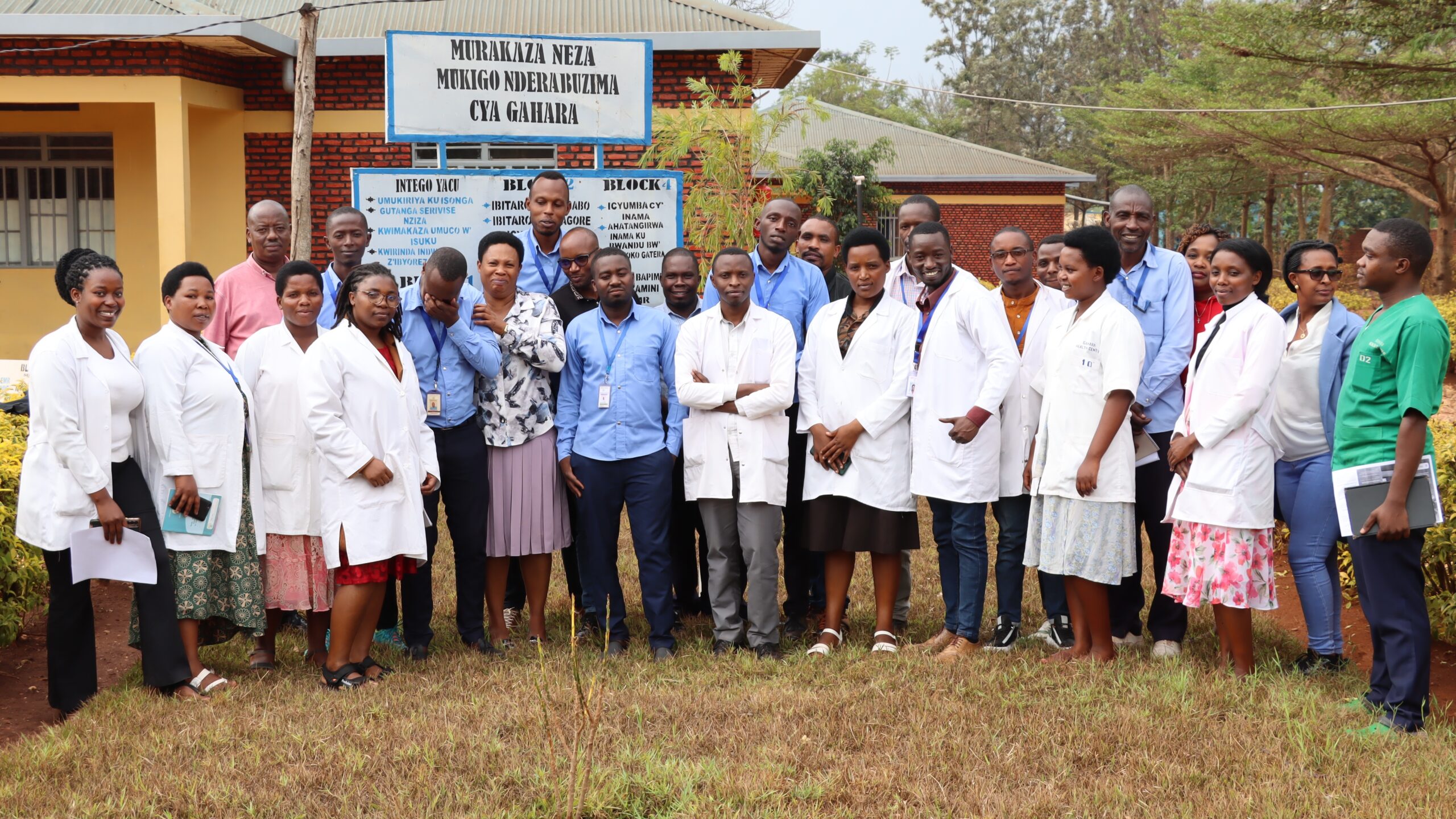
Beyond elders and churches, the programme engages teachers, health workers, peer educators, and the Ministry of Health to create a supportive environment for adolescents.
Young people receive comprehensive sexuality education, learning about their rights, contraception options, and where to access services safely. Peer educators play a key role, recognising that adolescents often trust information from fellow youths more than from adults.
Change beginning to take root
Since the programme began, community members report a decline in unsafe abortion cases and increased awareness of contraceptive use. Health facilities now provide a range of options including pills and injectables, implants and intrauterine devices, along with counselling on side effects and proper use.
While minors seeking abortion services must be accompanied by parents or guardians, health workers stress confidentiality and safety. “When denied safe services, girls will still seek abortions elsewhere,” Odoyo warns. “That is how lives are lost.”
Though progress is visible, challenges remain. Unsafe abortions still occur quietly, driven by stigma, poverty, and fear. Many teenagers lack basic knowledge about contraception, and parental involvement remains limited.
Yet the elders are undeterred.
“We have come far, but we are not done,” Obonyo says. “Our role is to keep talking, guiding, and protecting.”
Nyada Ralek’s story demonstrates the power of dialogue anchored in trust and cultural authority. By choosing meaningful conversation, the elders of Homa Bay are helping reshape attitudes toward teenage pregnancy, GBV, and reproductive health. Their work shows that solutions to deeply rooted social problems need not come only from outside but can grow from within communities themselves.
As elders continue to speak, mentor, and mediate, the hope is that fewer girls will face unsafe abortions, fewer families will be torn apart by violence, and more young people will grow up informed, supported, and safe.