


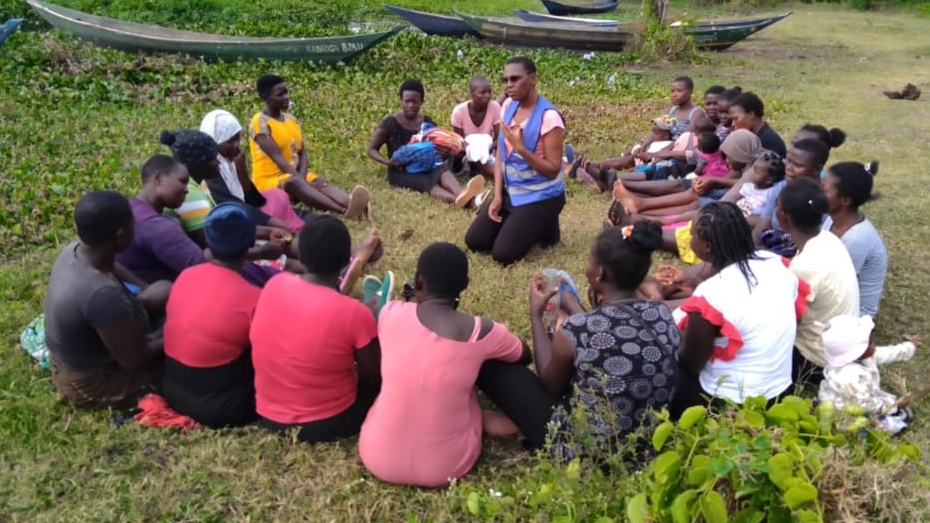
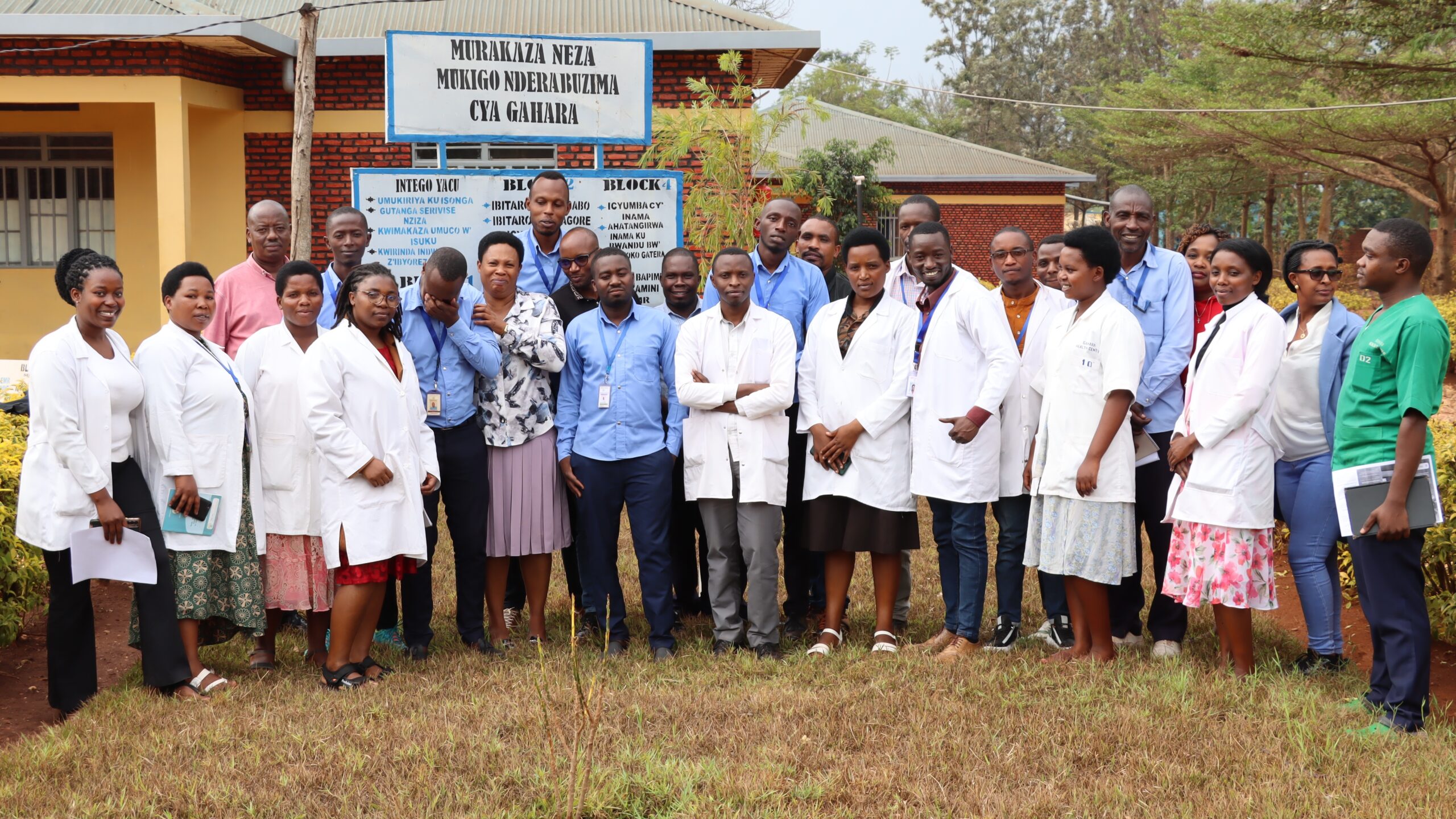
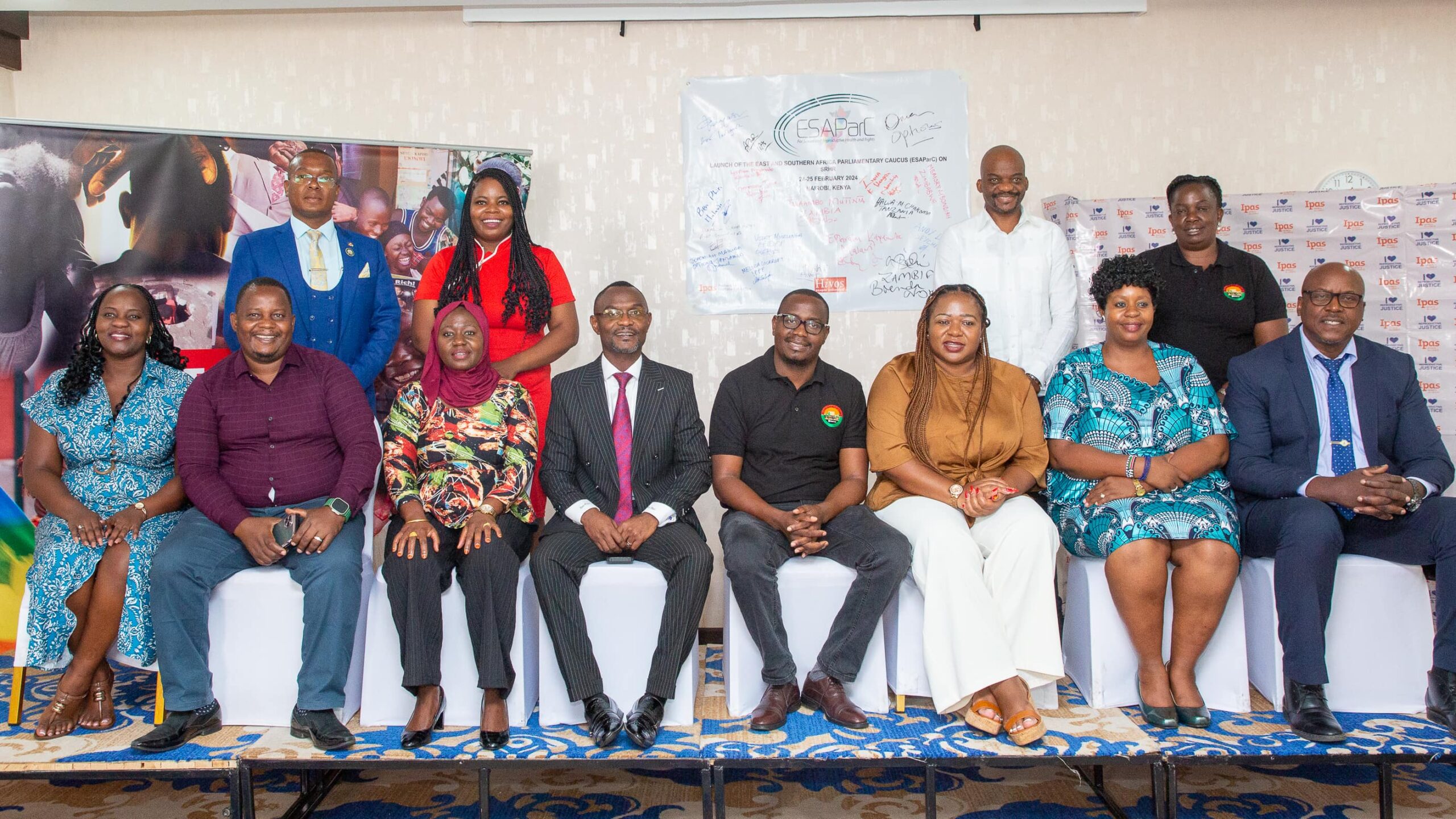
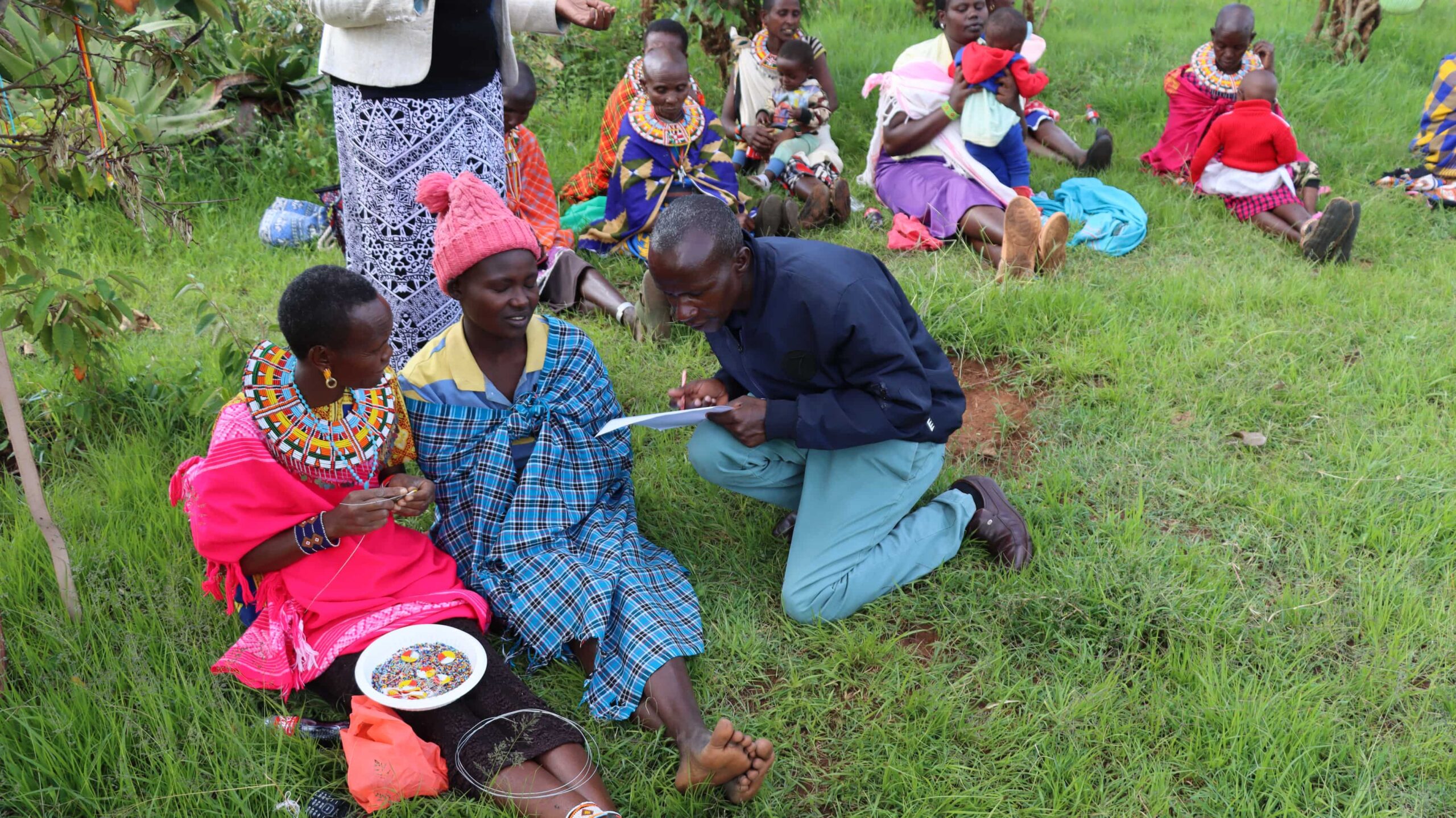

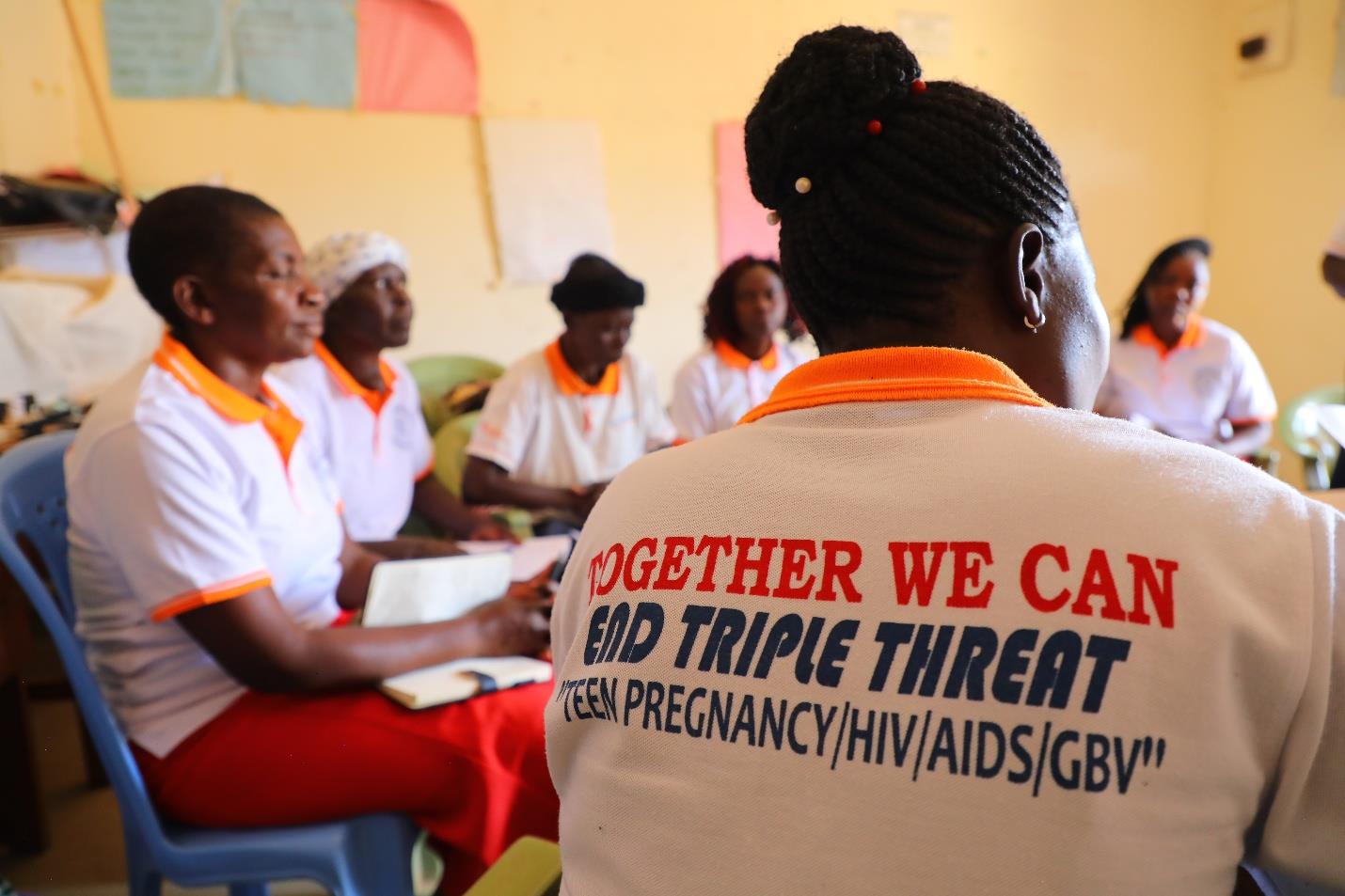
They are the members of Bumulusi Community-Based Organization, a group of women who turned pain into purpose. While they are deeply involved in pushing for better sexual and reproductive health for women and girls, their real strength lies in how closely they work with their community. If they are not speaking against unsafe abortion, they are educating families about teenage pregnancy, advocating for safer sex, family planning, or talking openly about HIV prevention among vulnerable groups.
Betty Nabwire, a 40- year-old mother of two, is one of these women. She is a survivor of unsafe abortion herself. Every time she speaks about it, her voice carries both pain and determination.
“I am lucky to be alive, and that is why I have also dedicated myself to warn others of the dangers of unsafe abortion practices,” she says.
Years ago, Betty almost lost her life trying to terminate a pregnancy she felt she could not keep. At the time she was only 24 years old but already a mother of two. Her husband worked in the city, away from home. Lonely, young and naive, she was seduced by another man and a single episode turned into pregnancy.
“I panicked and immediately resorted to finding solutions. There was no way I thought I could carry that pregnancy. I tried everything I had been told, including using a detergent, all did not work,” she says.
Fear took over. Friends suggested other methods. When she approached her parents, they worried more about embarrassment than her safety. Her mother eventually took her to someone she believed was a doctor. Only later to realize it was a quack. She remembers being told to lie on a bed with her legs wide open. A wire with hooks was inserted into her body as she writhed in pain.
“I asked her what she was doing, and she told me she was destroying the fetus,” Betty says.
Afterwards, she was sent back to her matrimonial home. On the third day, she began bleeding heavily, passing clots with a foul smell. She survived, but only just. The experience almost destroyed her marriage and left her deeply traumatised. Even today, she remembers how close she came to death.
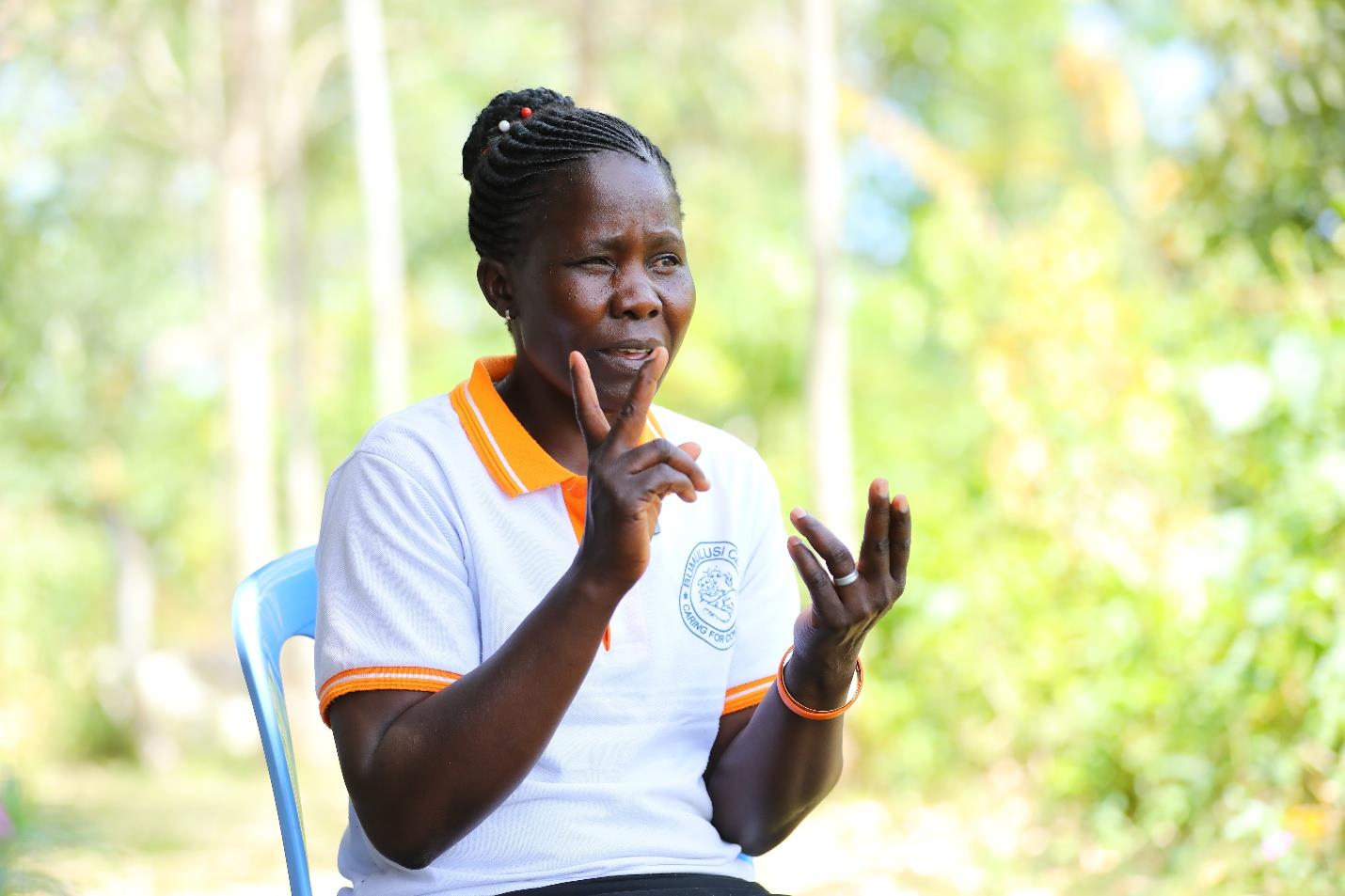
Within her village, she counsels young girls and women and is a strong advocate for skilled care available through private and public hospitals.
Her mission, however, starts at home, where she says she has been mentoring her 20-year-old daughter and teaching her the basics of how to stay safe. She says she talks freely with her daughter and advises her on various topics, including sexual and reproductive health.
She has also been meeting other young people and advising them on other issues, such as teenage pregnancy and how they can keep themselves safe from contracting HIV/Aids.
“When the cases are intense and beyond me, I refer them to a professional. For me, counselling helped me to accept myself and gave me the courage to share my stories,” she says, adding that within their group, they also share lessons.
“I am confident I have helped save several lives through dialogue,” she explains.
Although she has managed to overcome the trauma of the incident that almost destroyed her marriage and ended her life, she still remembers vividly how she escaped the fangs of death.
Today, Betty counsels young girls and women in her village and strongly advises them to seek help from health facilities. “I know dialogue saves lives,” she affirms.
Her confidence grew even stronger when Bumulusi CBO began working more closely with Ipas Africa Alliance. Betty started sharing her testimony in community forums. As she spoke out, other survivors found the courage to come forward.
Together with other survivors, they decided to form a support group to share their stories and create awareness in the community to reduce the chances of deaths related to unsafe abortion practices.
At formation in 2014, Bumulusi CBO focused on supporting people living with HIV and TB, referring complicated cases to hospitals. Each member was assigned households within their villages, where they offered basic support and guidance. In 2017, after receiving training from Ipas Africa Alliance on safe and unsafe abortion, the women began noticing a disturbing pattern. Young women were dying mysteriously, and families avoided talking about it.
“We decided to dig deep and visited the homes of the victims and realized that they were dying from unsafe abortions after excessive bleeding, ” she says.
That realization pushed them into action. They began sensitizations in chief ‘s barazas, schools, churches, funeral gatherings, and dialogue meetings with local, political and religious leaders.
Today, the group has about 30 members. In their office, they receive an average of three to four cases every month of women in distress, whom they refer for counselling, and some to hospitals.
The women have also stepped in to support girls who give birth and want to return to school. Mentor mothers, many of them survivors of gender-based violence or unsafe abortion, help care for babies or even host young mothers in their homes.
“Some of the mentor mothers even stay with the young girls and take the burden, while others agree to look after the baby for the young girls as they go to school, ” she said. Some six mentor mothers have been assigned to assist young girls who have given birth and have now returned to school.
One member has started a small daycare, caring for up to ten children with support from the group.
Pamela Naumwo, chairperson of Bumulusi CBO says: “To reduce cases of unsafe abortion,” she says, “there is a need to mend the policies to allow women who do not want to carry a pregnancy go for abortions, to reduce the high cases of deaths.”
For her, the lesson is clear. Unsafe abortion thrives where silence, fear, and stigma exist. It reduces when communities speak openly and support girls instead of punishing them.
She urges parents to be understanding when girls get pregnant, reminding them that life does not end with pregnancy. Girls can give birth and still go back to school.
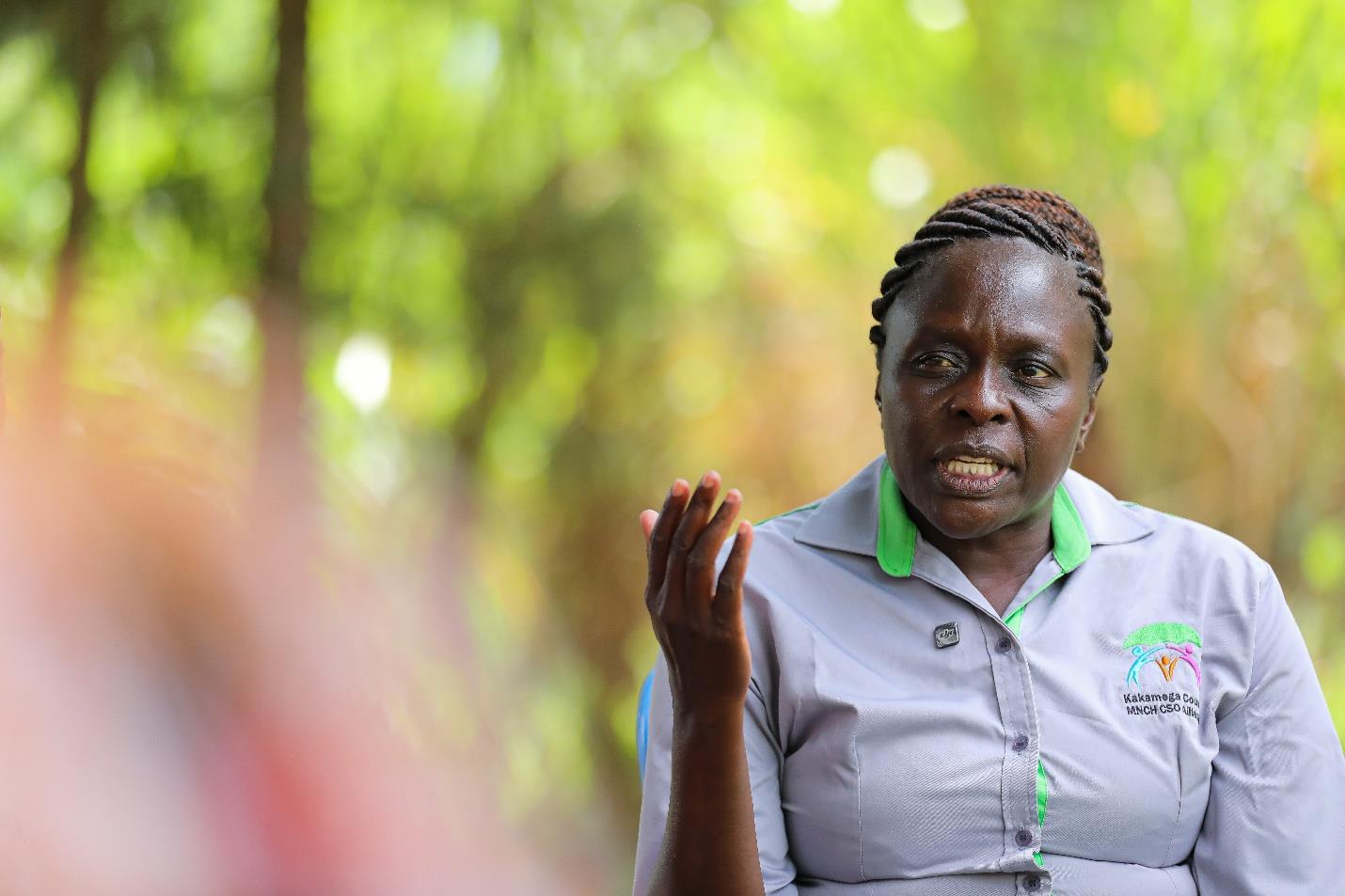
The efforts of the Bumulusi women are also taking place alongside broader national interventions. According to the Director General of Health, Dr Patrick Amoth, the Government of Kenya has invested in several measures to prevent unsafe abortions and reduce their health consequences. These include increasing access to modern contraceptives to prevent unintended pregnancies, developing clinical guidelines to support health providers, and training health workers on post-abortion care.
For groups like Bumulusi CBO, these interventions matter because they give communities a safe place to refer women and girls who are in need, reinforcing the message that help exists beyond secrecy and fear.