



Idda Atieno remembers December 2024 as the month her life changed forever. She was still a minor, had just turned age 16, unemployed, and fully dependent on her single mother. She was also a high school student preparing for her final exams. Then she discovered she was pregnant.
Idda grew up in Kanyidoto village in Ndhiwa Sub-County in Homa Bay, where poverty shaped her childhood. Some days, her family struggled to afford even two meals. But many of her peers seemed to live better lives, receiving money and gifts from boyfriends who were much older than them. To young girls like Idda, these intergenerational relationships looked like an escape from hardship. In reality, they exposed them to exploitation, abuse, and early motherhood.
“All my friends had boyfriends who showered them with gifts, and they would show off to me. At the time, I could not even afford sanitary pads,” she says.
Eventually, she gave in to advances from a motorcycle taxi operator who promised financial help. Sometimes he gave her Sh500 to buy pads or clothes. For a while, it felt like relief. But it quickly turned into a nightmare. After several months, Idda realized she was pregnant. When the man found out, he wanted her to abort and even abandoned her.
Her situation reflects a wider national crisis. According to the 2022 Kenya Demographic and Health Survey data released by the Ministry of Health, about 355 women die annually per 100,000 live births in Kenya due to pregnancy and childbirth complications. Unsafe abortion remains a major contributor to these deaths. In 2023 alone, a national study by the African Population and Health Research Center (APHRC) in collaboration with the Ministry of Health and the Guttmacher Institute estimates that over 790,000 induced abortions occurred in Kenya. This translates to an abortion rate of 57.3 abortions per 1000 women of reproductive age (15-49 years) and 48.1 induced abortions per 100 live births. The figures point to the urgent need to prevent teenage pregnancy and support girls before desperation pushes them into unsafe choices.
“My mother learnt about the pregnancy in March, and I immediately thought of going for an abortion. It was stressful,” she recounts.
The pressure pushed her to consider terminating the pregnancy, even through unsafe means. She hid her pregnancy for months, desperately searching for a solution. By April, the stress had taken a toll on her mental health. She struggled to eat, couldn’t concentrate in class, and began to withdraw from everyone around her.
“I had a lot of stress, and I could not even read ahead of the examinations well. I could sit alone, refuse to eat, and hope to die, ” she said.
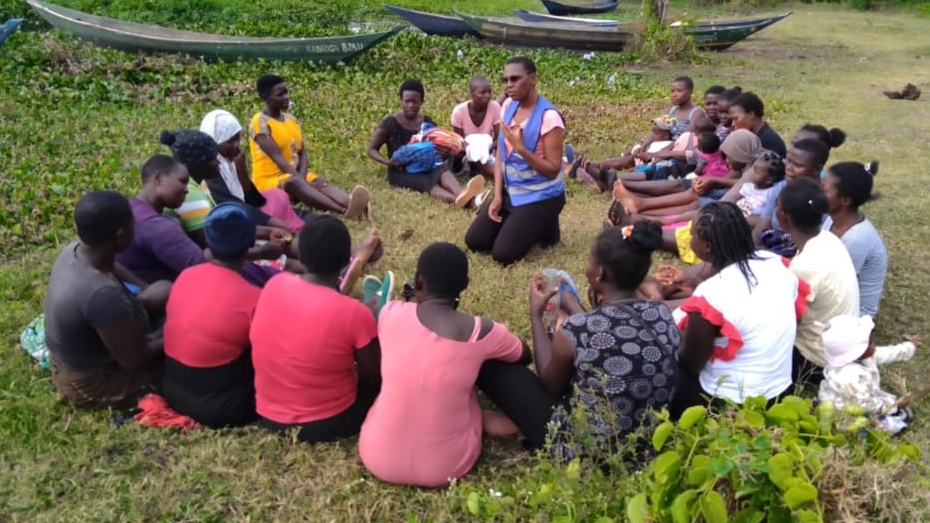
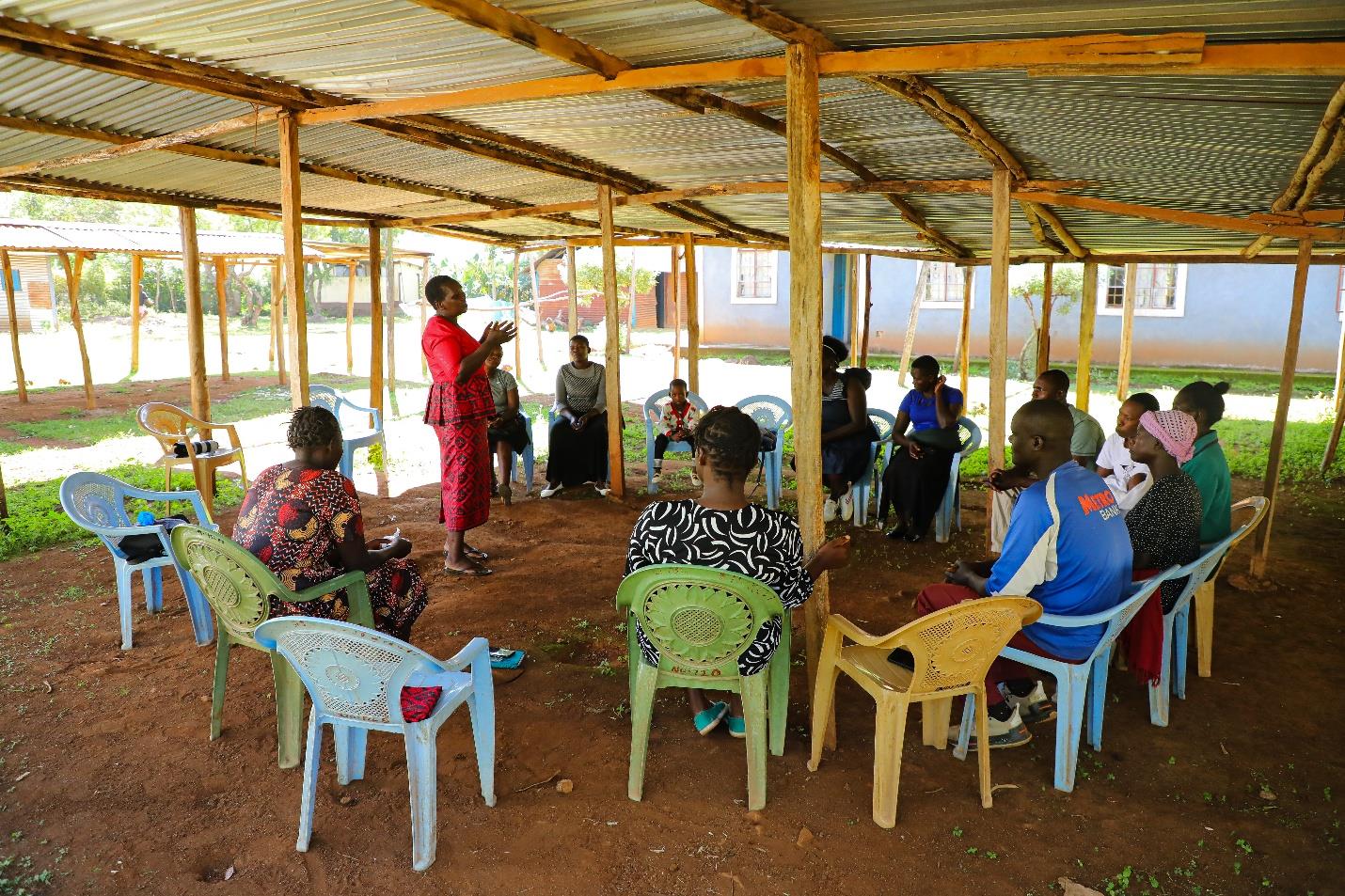
What changed her story was not a single intervention, but a community that refused to look away. Someone shared Idda’s situation with a member of Nyarongi Paralegal Network, a local group formed by women who had themselves survived gender-based violence. One of the members reached out to her, listened to her story, and invited her to join a teen mothers’ support group.
“I just needed someone to open up to. I had bottled a lot inside, and I was really struggling,” she says.
Through the Nyarongi Paralegal Network, working alongside partners such as Ipas Africa Alliance, Idda joined other young mothers facing similar struggles. The group offered counselling, mentorship, and a safe space to talk openly without judgement. She was assigned a counsellor who supported her emotionally and guided her on how to avoid a second unplanned pregnancy.
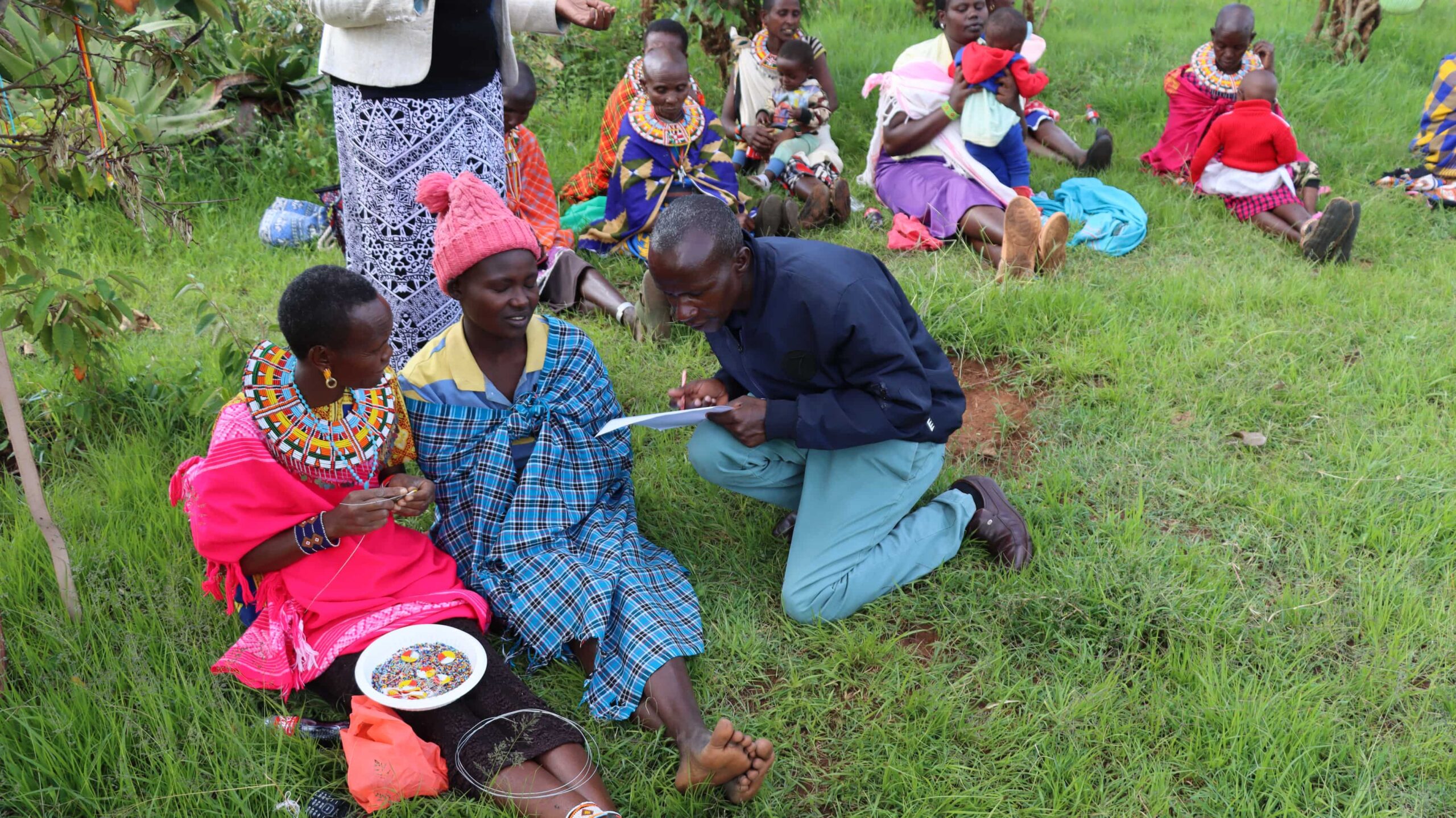
The support went beyond counselling. Group members helped Idda with basic necessities and encouraged her to stay in school. They also trained her in kitchen gardening so she could begin thinking about how to support herself and her child in the future. Most importantly, they treated her with dignity.
“Since I joined the group, my life has changed drastically. I now have hope for my child,” she says.
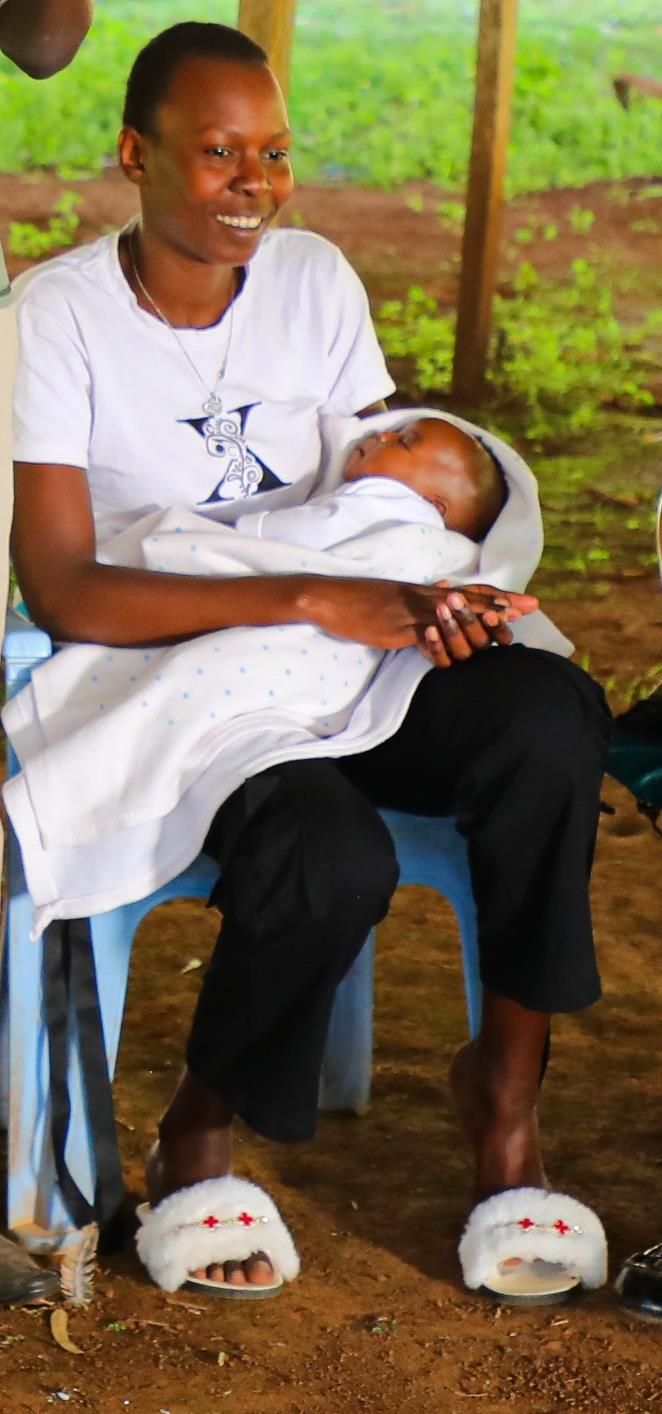
Through dialogue, shared experiences, and mentorship, Idda has slowly rebuilt her confidence. She learned to accept her situation and focus on what she could still achieve. In August 2025, she gave birth to a baby girl. Motherhood was not easy. Holding her infant today, she is still learning the basics of childcare, a clear reminder of how young she is. Yet she no longer feels overwhelmed by fear.