




For many years, motorcycle taxi, commonly known as boda boda operators have always carried a heavy stigma in society. They have often been associated with crime, defilement, sexual and gender-based violence, and the exploitation of young girls. In Homa Bay town, parents and local authorities have openly blamed them for the high number of teenage pregnancy cases, school dropouts, and unsafe abortions. Some families were left broken after girls were ferried to quack doctors or supplied with unsafe abortion drugs through the same transport system meant to help people move.
This painful reality stood in sharp contrast to the sector’s importance. For nearly two decades, motorcycle taxis have provided a livelihood to several families and become a critical means of mobility in remote villages. Yet in its shadow lay fear, anger, and distrust, especially where young girls were concerned.
A 2019 study by the National Crime Research Center showed crimes linked to the sector including rape, defilement, and drug trafficking, reinforcing public suspicion and fear.
In Homa Bay County, the situation was even more worrying. Riders were known for luring schoolgirls with cheap or free rides, sometimes demanding sex instead of fare. Girls from extremely poor families, unable to raise Ksh 50, were especially vulnerable. Some riders also played a role in unsafe abortions, knowingly or unknowingly, ferrying women and girls to unqualified providers.
But this story is changing.
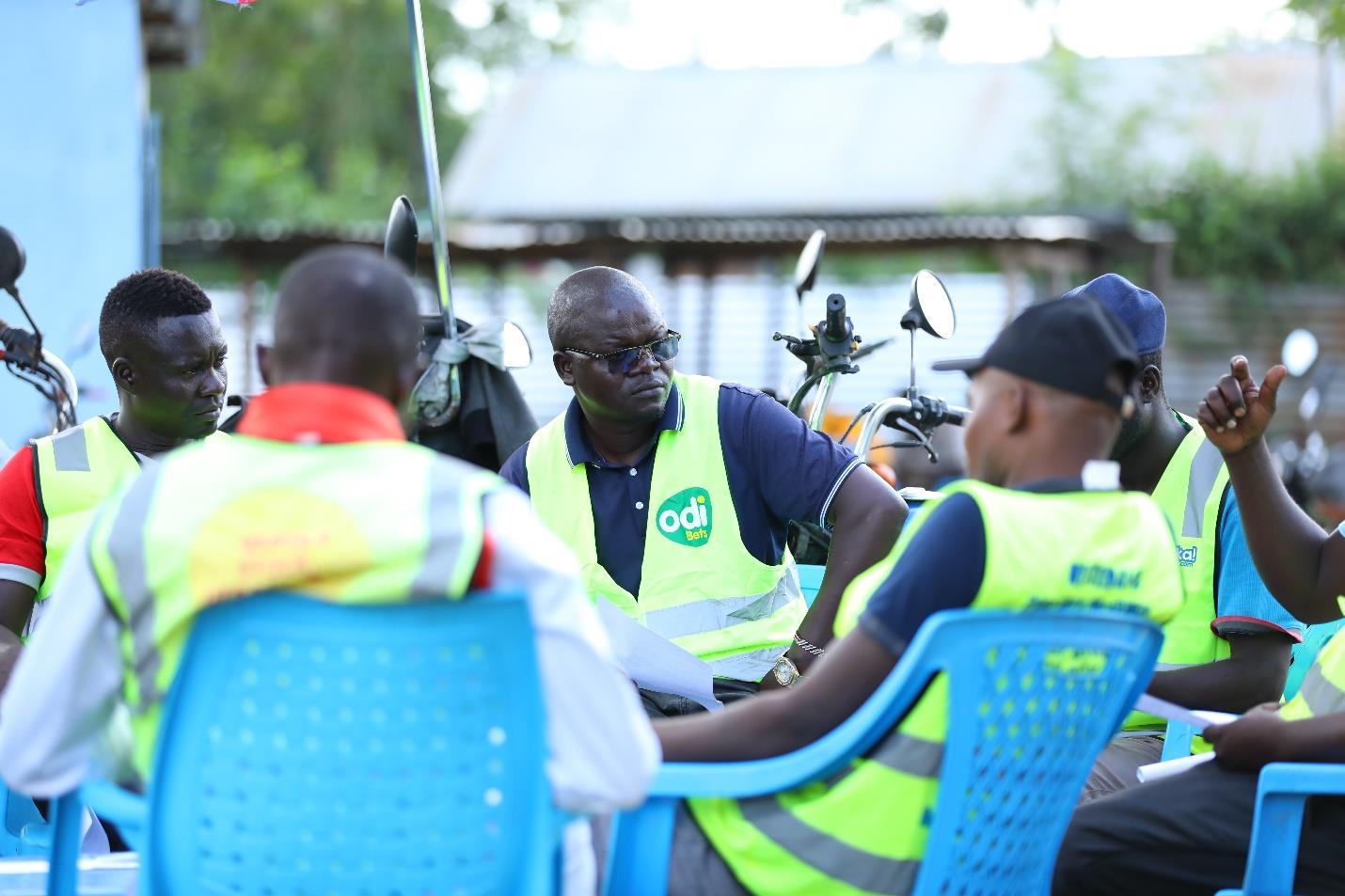
Alarmed by the growing concerns over the soaring numbers of teenage pregnancies and unsafe abortions, where their involvement was glaring, the group started embracing sensitization sessions provided by various stakeholders, including Ipas Africa Alliance. As a result, motorcycle taxi riders in parts of Homa Bay began to engage in honest conversations about child protection, sexual and gender-based violence, and unsafe abortion.
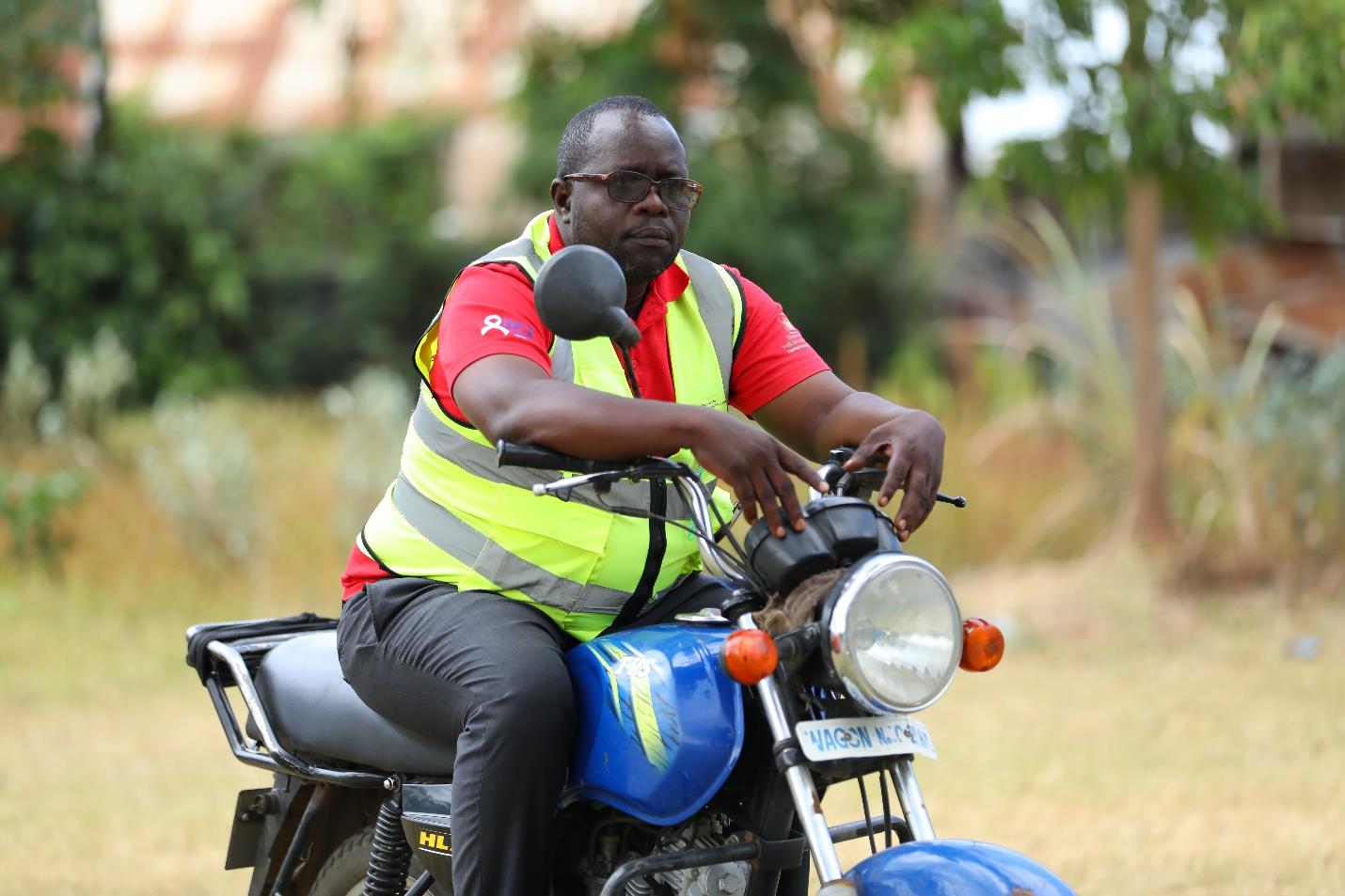
Kevin Abong’o, a motorcycle taxi rider since 2008 and chairperson of Wagon Stage in Homa Bay town, has witnessed this transformation firsthand. He leads a group of over 51 riders operating from one of the busiest motorcycle taxi bases in town. Today, that base has become a centre for dialogue, self-regulation, and accountability.
“For many years, some women and young girls used us as their errand boys to identify people who could help them to terminate pregnancy,” Kevin admits. “Some of our members also impregnated young girls.”
Motorcycle taxi operators’ meetings, once unheard of, are now regular. Riders discuss what they have learned and remind each other of their responsibility to protect and not exploit the community.
Kevin recalls an incident that still troubles him. He unknowingly ferried a woman to a quack doctor to terminate her pregnancy. The woman suffered severe complications and lost a lot of blood before being rushed to a hospital.
“That incident changed me,” he says. “After the training we received, I know such a thing can never happen again.”
The sensitizations have involved training leaders first, who were then tasked with the passing of the knowledge to their members.
Slowly, attitudes began to shift. Riders started refusing to transport women to unsafe abortion sites. Instead, they began directing them to public and private hospitals with qualified health professionals. Conversations that once revolved around quick money started to include responsibility and community protection.
Kevin admits that in the past, some riders demanded sex instead of money, especially from schoolgirls. “Parents warned their children against us,” he says. “They were afraid.”
Today, he says that fear is easing. Riders at Wagon Stage have agreed on strict rules. Any member found seducing or exploiting young girls faces immediate action, including citizen arrest and being handed over to the police.
“We are not taking this lightly,” says Kevin Onyango, another rider at the stage. “We have an obligation to protect our girls and women.”
For Onyango, sensitization meetings changed how he views abortion and teenage pregnancy. He now sees himself as part of the solution. Riders are encouraged to talk to their passengers, advising them to seek proper medical care and avoid unsafe practices.
“We believe we have crossed that chapter,” he says. “We don’t want to go back.”
Similar changes are happening beyond Homa Bay town. Moses Orwa, a rider from Stage Miwa Youth Group, says his group has become more observant, especially when transporting women and girls seeking sexual and reproductive health services.
“Our goal is to encourage safe practices that can protect our society and girls. We cannot turn a blind eye to the problems that come with unsafe abortion and teenage pregnancies, ” he explains.
At their base, riders have also adopted dialogue forums to sensitize themselves and other riders against vices such as defilement and rape.
The results of these efforts are beginning to show. More riders are ferrying women and girls to hospitals rather than quacks. Community members report fewer cases of girls being lured with free rides. Parents are slowly regaining confidence in the sector, especially where riders are known to be part of sensitized groups.
This local change is happening against a backdrop of a national crisis. According to a Ministry of Health study released in April 2025, over 790,000 induced abortions occurred in Kenya in 2023, translating to an abortion rate of about 57.3 per 1,000 women of reproductive age. More than half of women with post-abortion complications were treated in public health facilities, highlighting both the scale of the problem and the burden on the health system. The study recommends strengthening family planning services and improving access to quality post-abortion care, particularly for adolescents and young women.
In Homa Bay, motorcycle taxi operators are showing that change does not only come from policy or health facilities. It can also come from unlikely actors choosing to confront their role in a problem and act differently. By turning from perpetrators and bystanders into protectors and advocates, riders are helping to reduce teenage pregnancy and unsafe abortion.
When communities are engaged honestly, even groups once seen as part of the problem can become powerful agents of change. For the motorcycle taxi operators, the road to redemption has not been easy, but it is proving that transformation is possible, and that saving lives sometimes begins with choosing the right direction.