



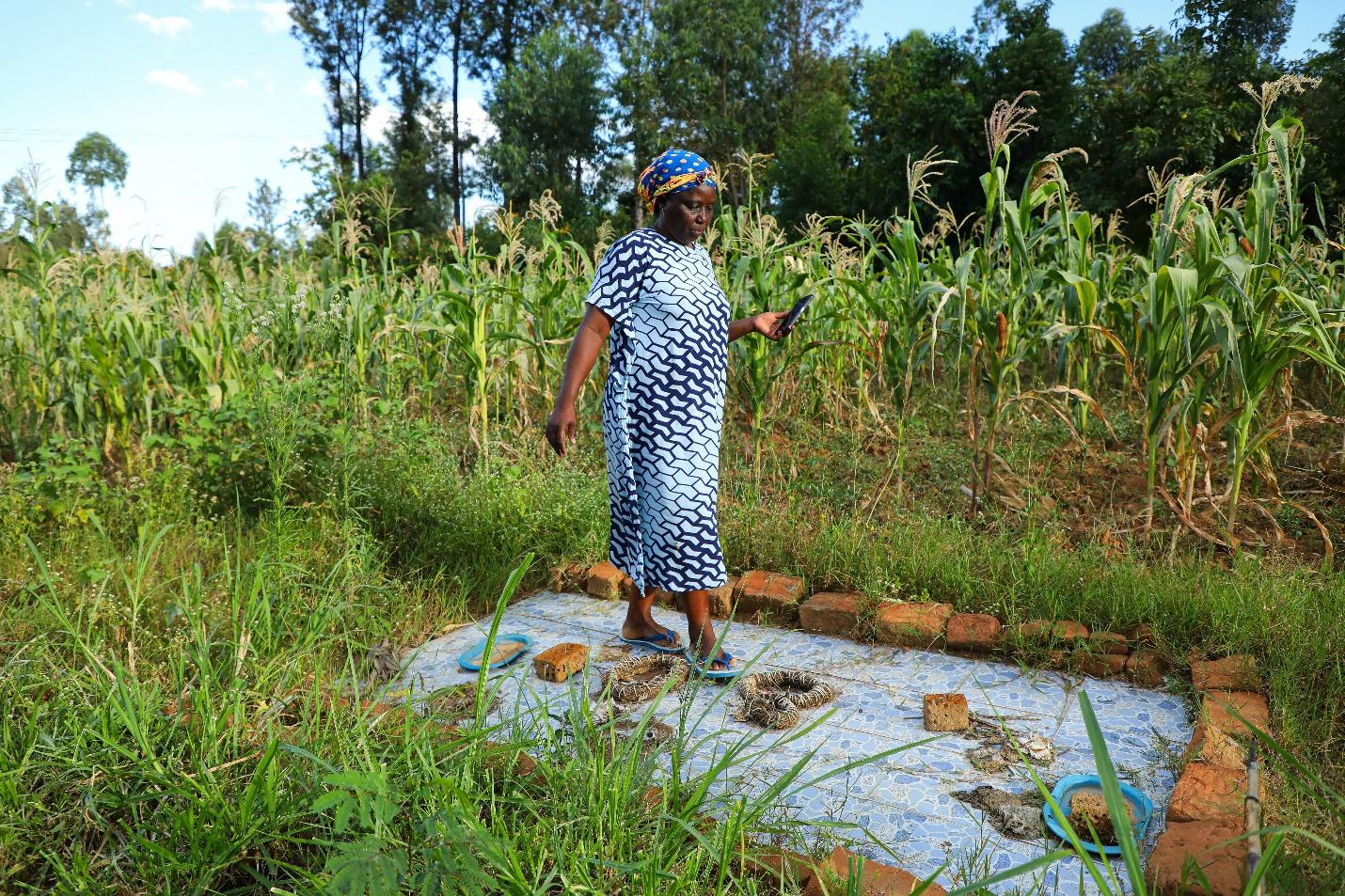
Moments like these often force women into dangerous choices. In Kenya, recent national research estimates that approximately 792,694 induced abortions occurred in 2023, many under unsafe conditions driven by stigma, poverty, and limited access to accurate information and services. The study, conducted by the African Population and Health Research Center in collaboration with the Kenya Ministry of Health and the Guttmacher Institute, found that unsafe abortion continues to contribute substantially to maternal morbidity, with thousands of women requiring post-abortion care for complications each year, many of them severe but preventable. Jennifer didn’t know these facts, but here she was living the reality behind them. At the time, she was a housewife who had fully depended on her husband. With no income and mounting responsibilities, she saw no way forward. “I felt my world shatter. I didn’t know where I would get money to pay for my children’s school fees,” she says. In her despair, she contemplated suicide. She also decided to terminate the pregnancy, convinced she could not cope with another child under such fragile circumstances.
Without access to safe, accurate information or services, Jennifer turned to unsafe methods. She tried several options, including seeking help from a herbalist, unaware that she was risking her life. The attempt almost killed her. “I tried several avenues to terminate the pregnancy, but I only put my own life in danger,” she says. The abortion failed, and she later gave birth to a healthy baby, an outcome she still describes as miraculous.
With encouragement from a brother-in-law, Jennifer slowly rebuilt her life through farming, using the income to raise and educate her children. For years, she carried on, believing she had survived the worst.
But violence would return to her life in a different, more devastating form.
Her third-born daughter had dropped out of college to get married, only to find herself trapped in an abusive relationship. Time and again, the young woman returned home with reports that her husband was beating her. Jennifer admits she did not listen. “I did not want embarrassment from her failed marriage,” she says. Hoping the situation would improve, she sent her daughter back each time, despite repeated threats on her life.
Her experience reflects a widespread reality. According to the Kenya Demographic and Health Survey (2022), 40 percent of women in Kenya have experienced physical or sexual violence by an intimate partner. Globally, the World Health Organization estimates that 38 percent of all murdered women are killed by intimate partners. This statistic would soon take on devastating meaning for Jennifer.
On 6 March 2025, those threats became fatal. The man assaulted Jennifer’s daughter and stabbed her with a kitchen knife. She later succumbed to the injuries. “My neighbour came carrying my grandson, and told me that my daughter had been stabbed,” she says amid sobs.
The perpetrator, however, tried to escape but was later apprehended by the villagers and arrested.
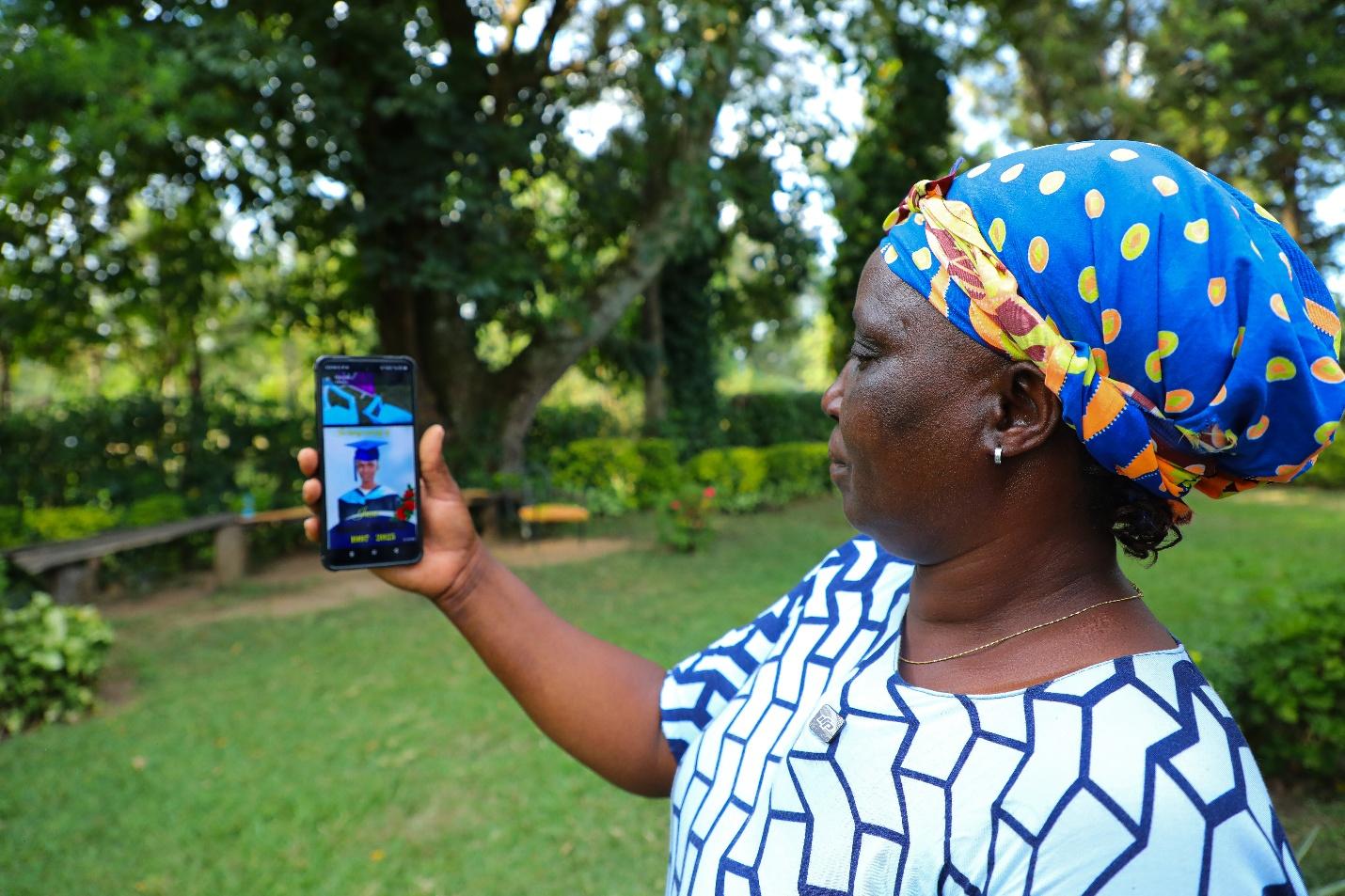
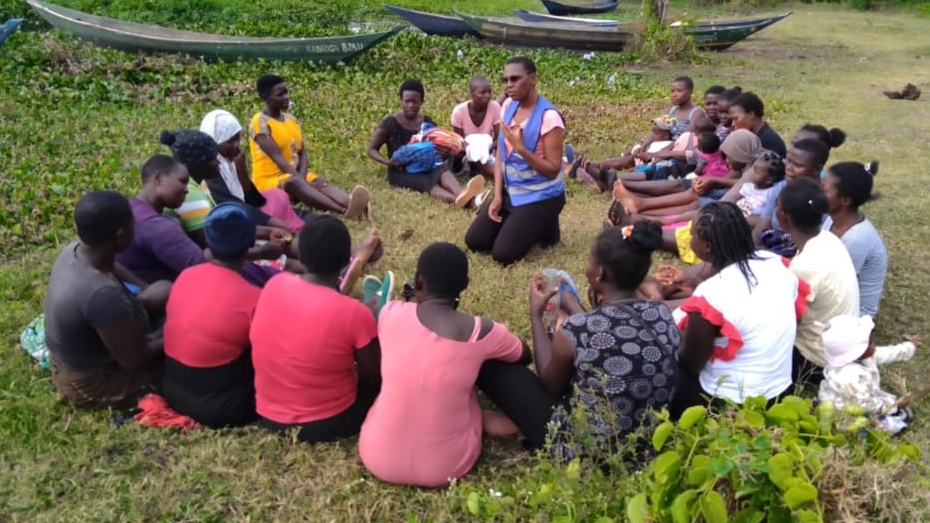
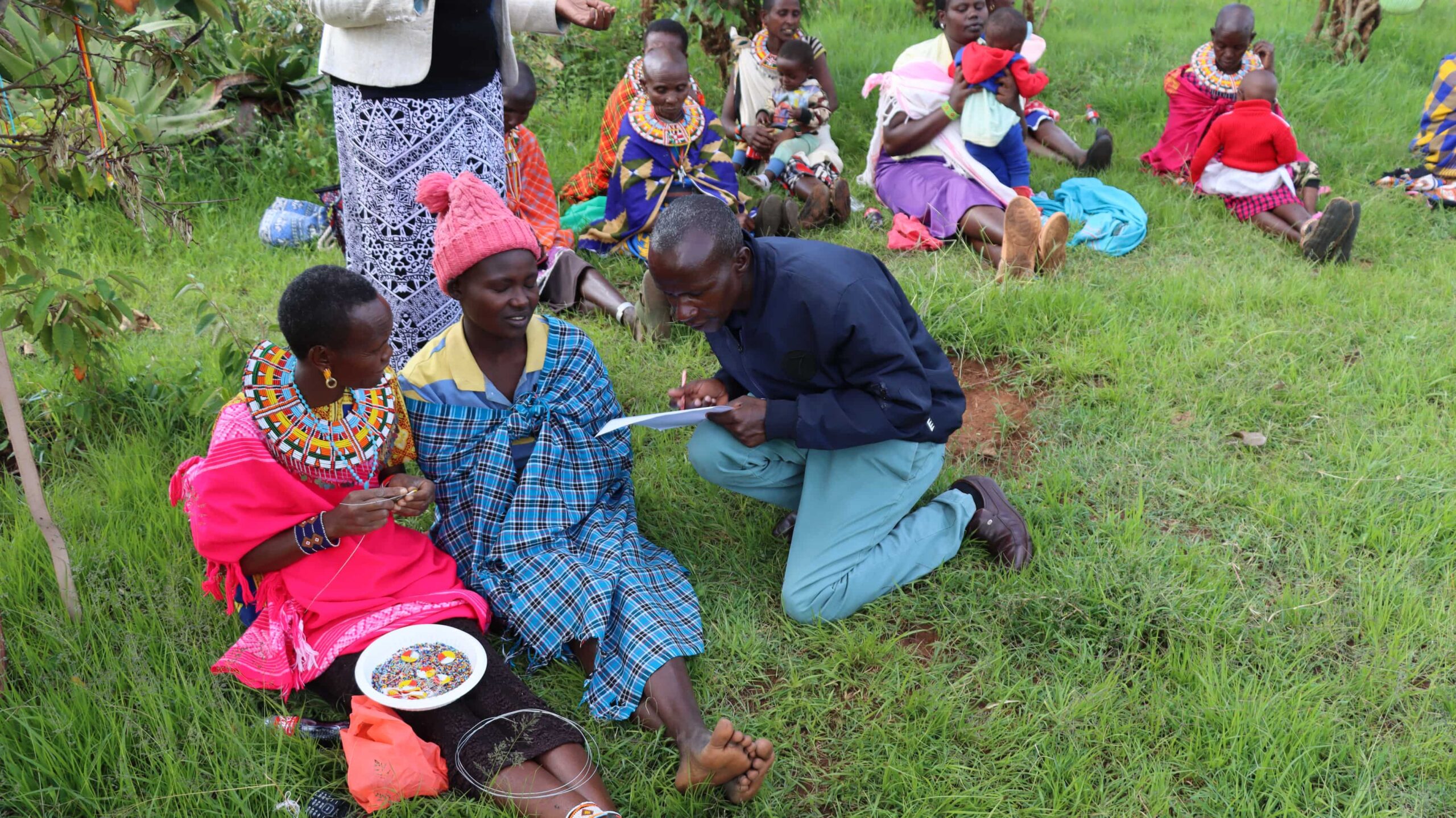
Through Bumulusi CBO, and with training and support from Ipas, Jennifer began mentoring young girls and engaging parents and communities on gender-based violence and unsafe abortion. Drawing from her own lived experience, she educates women on the dangers of unsafe abortion, the warning signs of abuse, and the importance of listening when daughters speak out.
“I have seen it all,” she says. “That is why I have dedicated my life to educating other women and helping parents protect their daughters.”
So far, Jennifer has supported at least five young girls, guiding them toward safer choices and intervening early in situations of risk. She also holds dialogues with parents, urging them not to force daughters back into abusive marriages.
From widowhood and a near-death experience through unsafe abortion to the loss of her daughter to femicide, Jennifer Onyalo’s life underscores the harsh realities many women face. Her journey also shows how deliberate support and services such as those offered by Bumulusi CBO can transform tragedy into agency, providing protection and ensuring women and girls are not left to navigate crisis alone.